 Mardjani Foundation
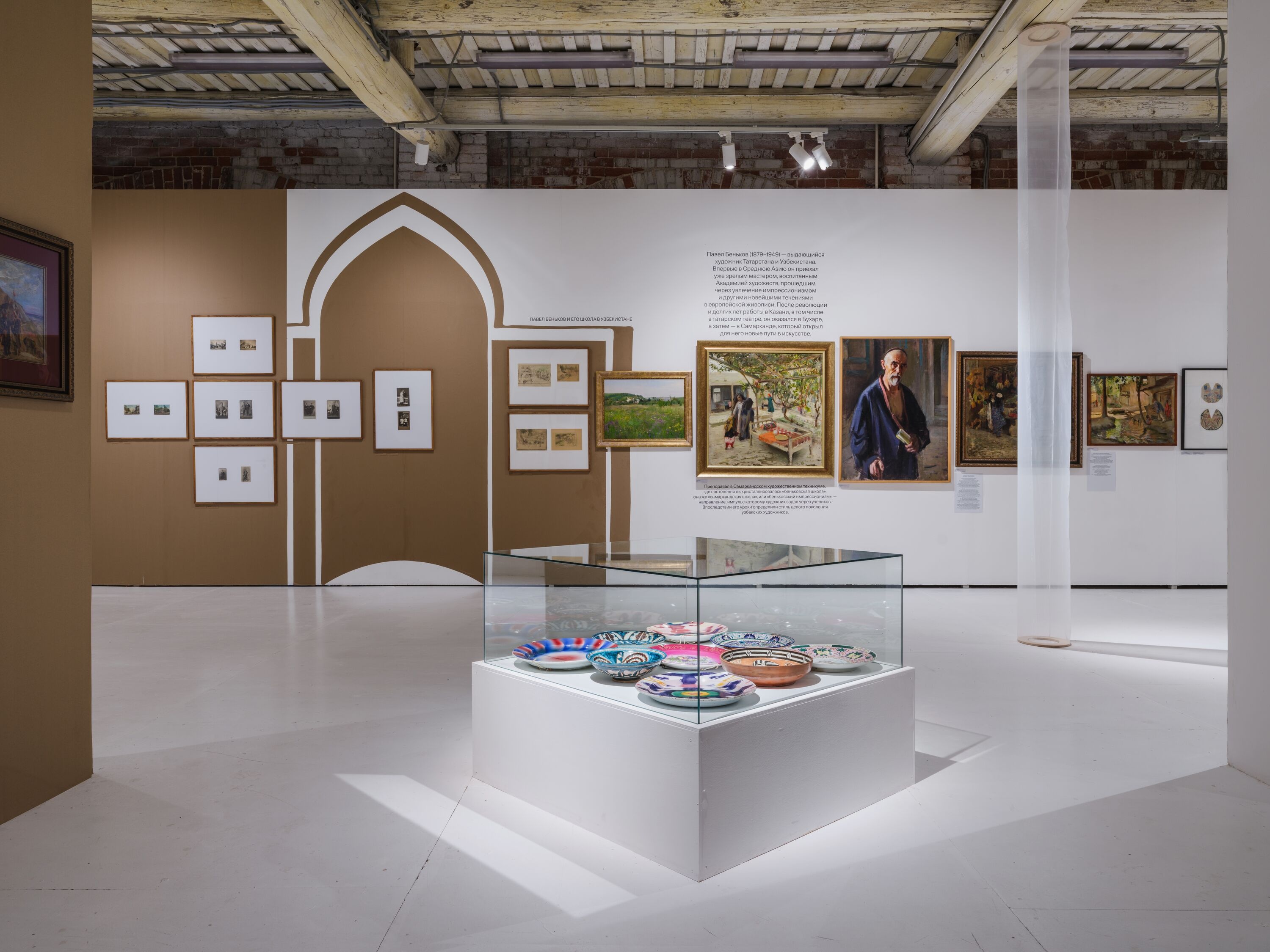
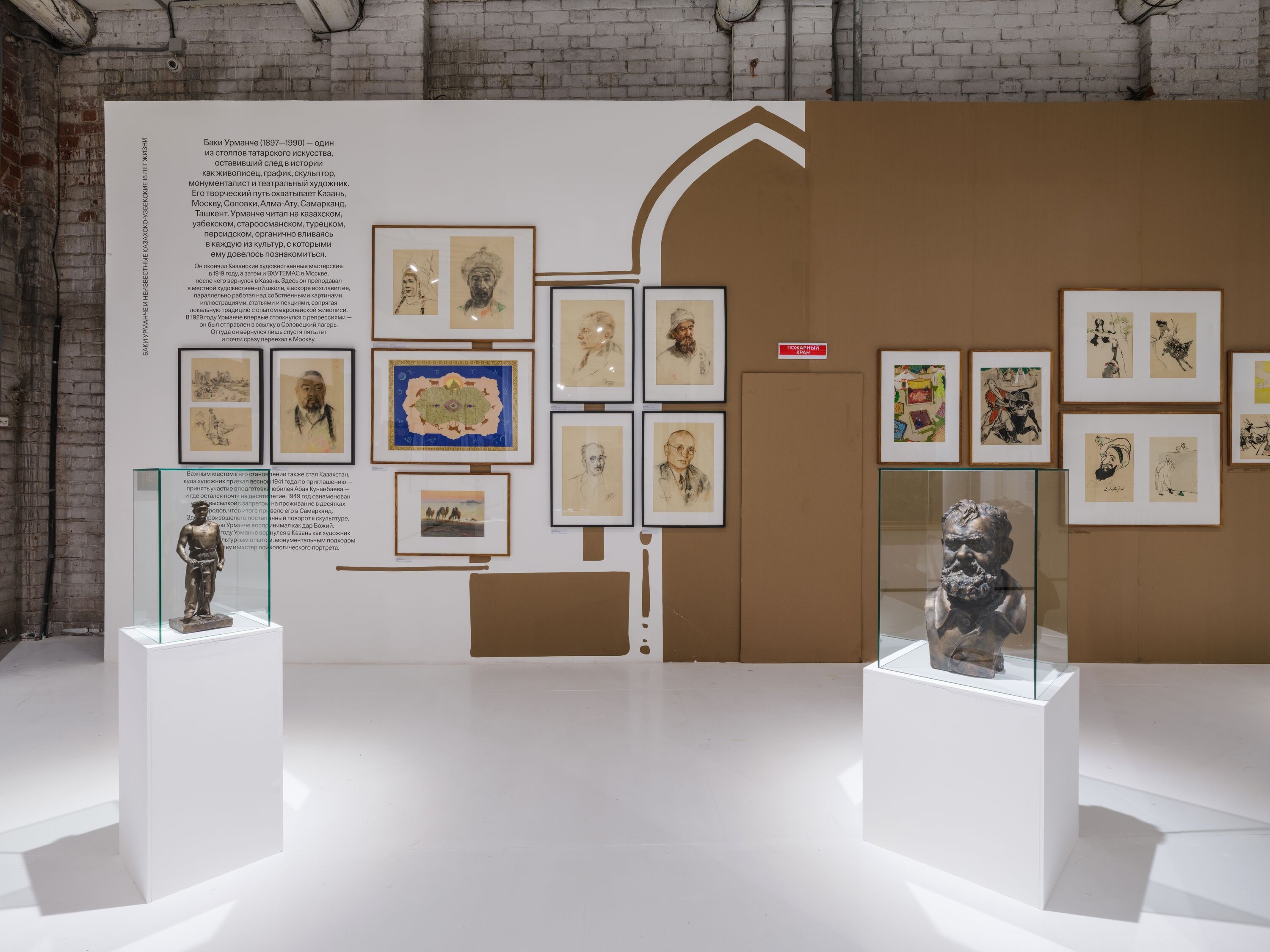
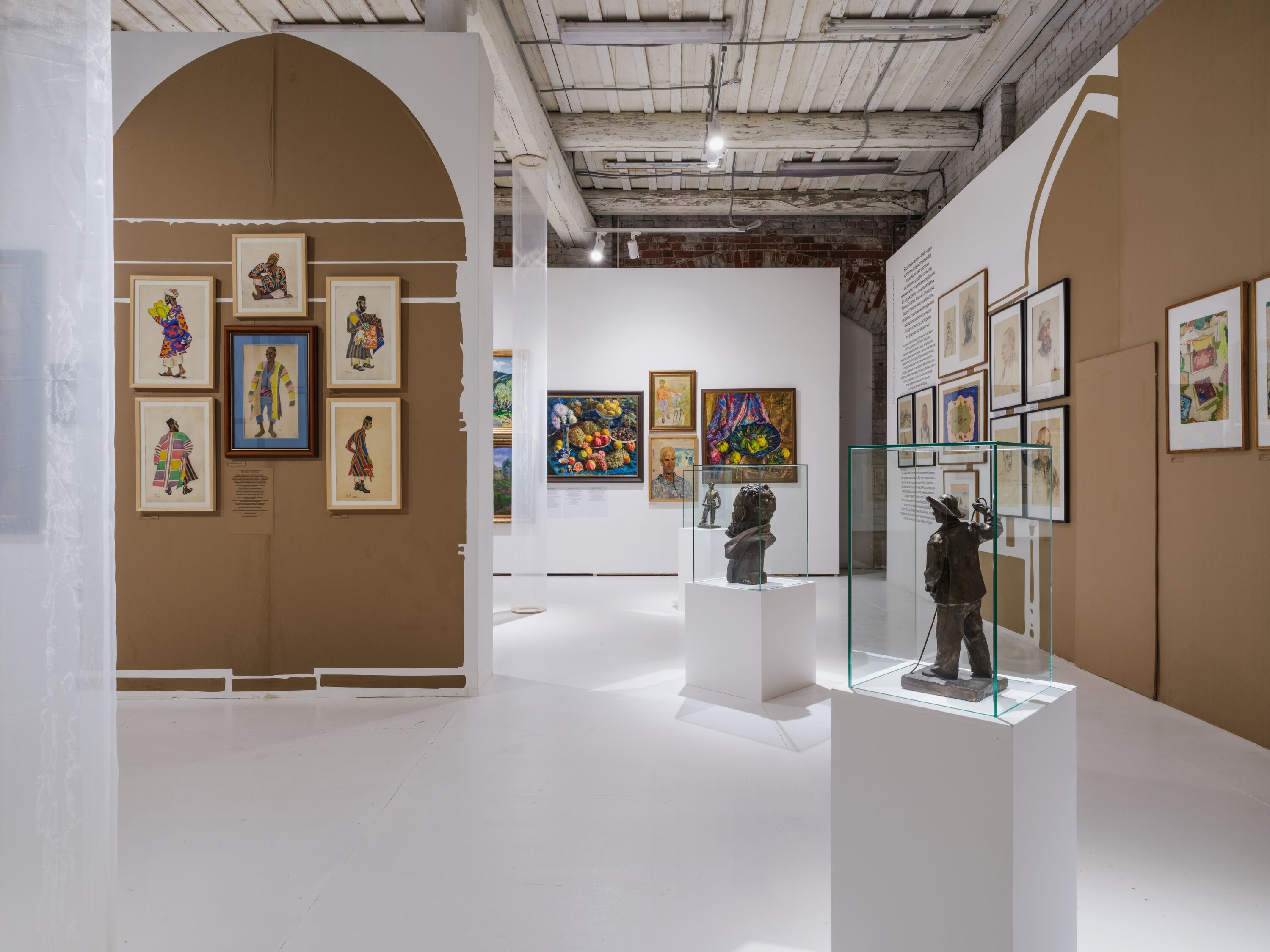
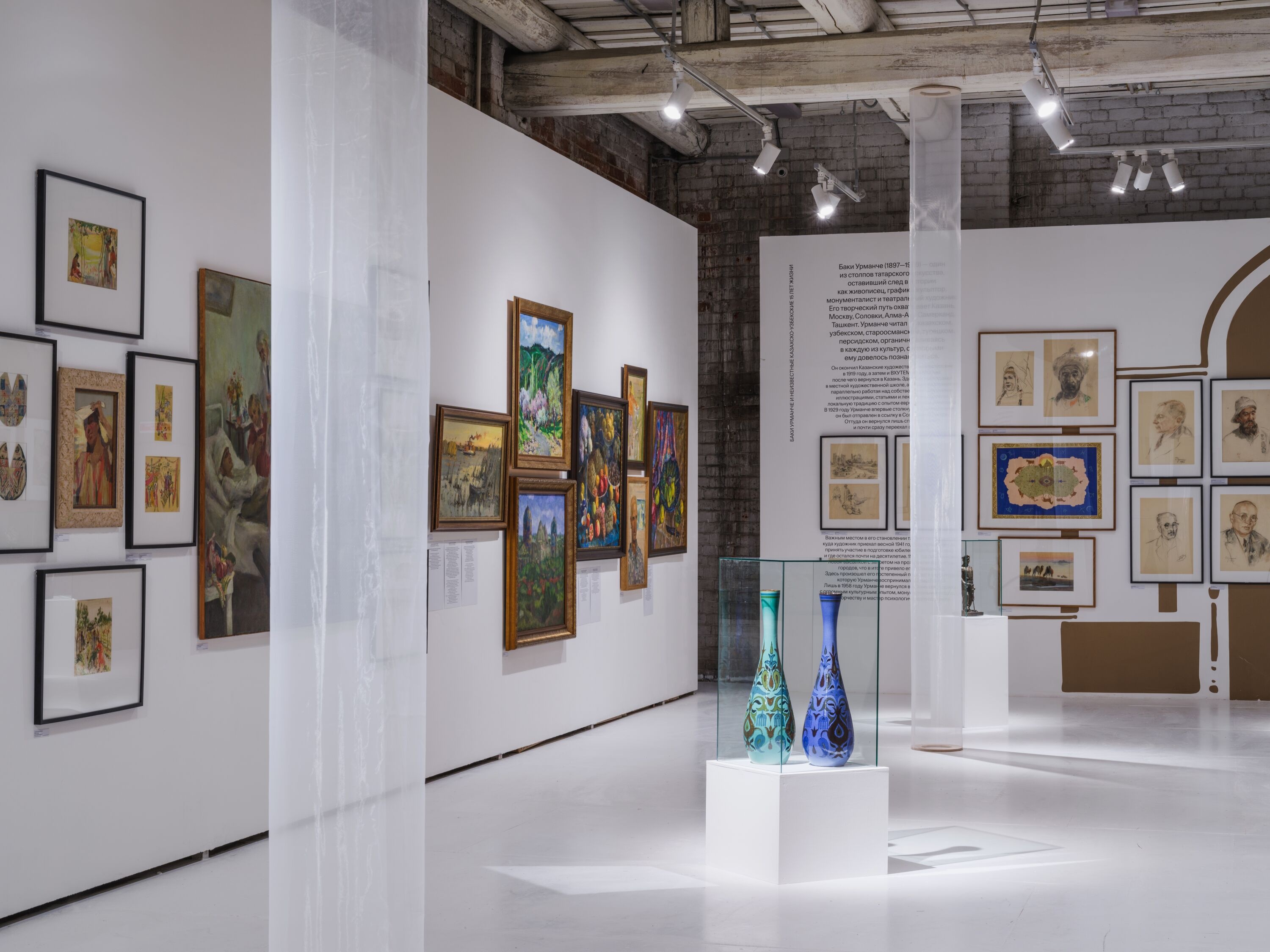
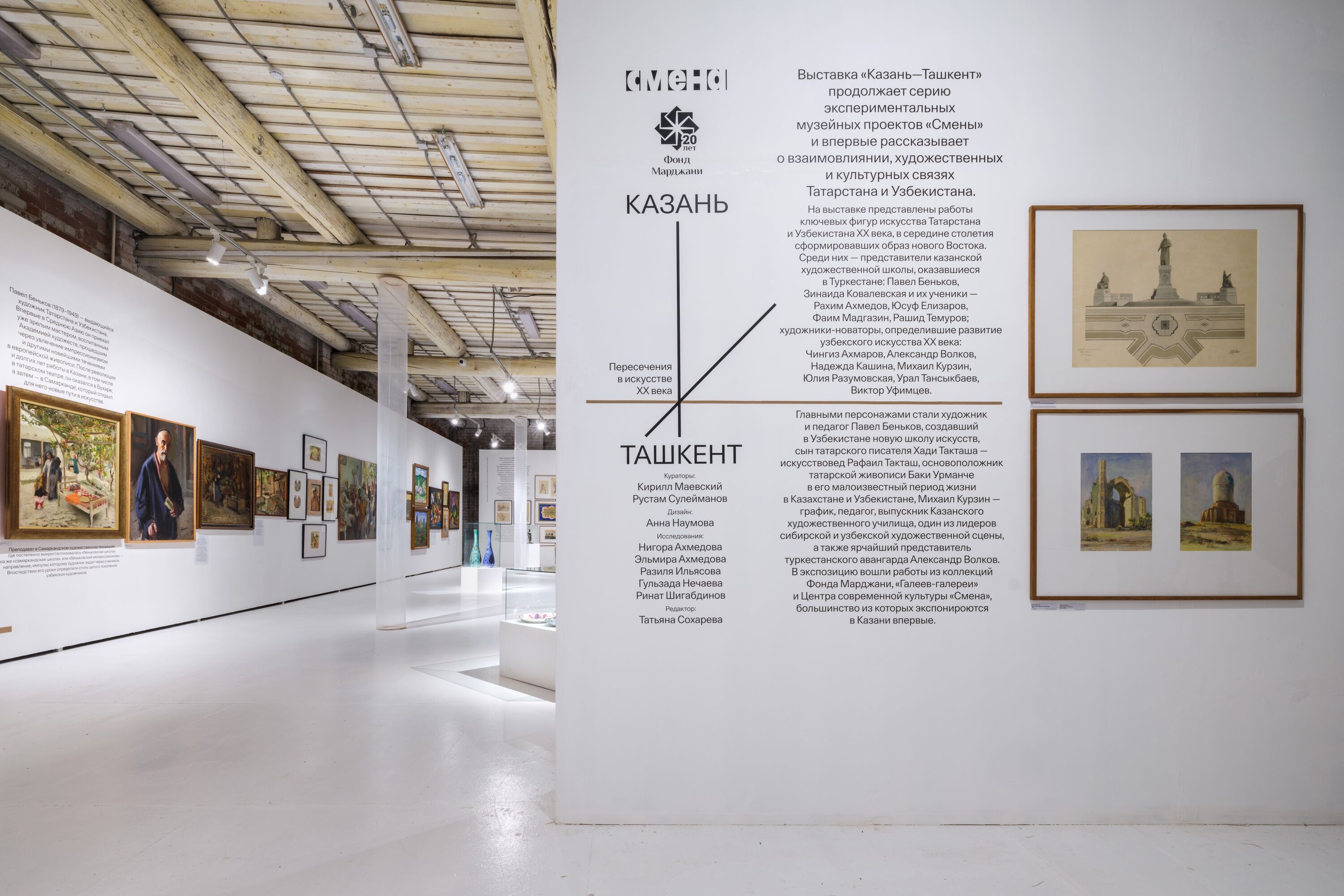
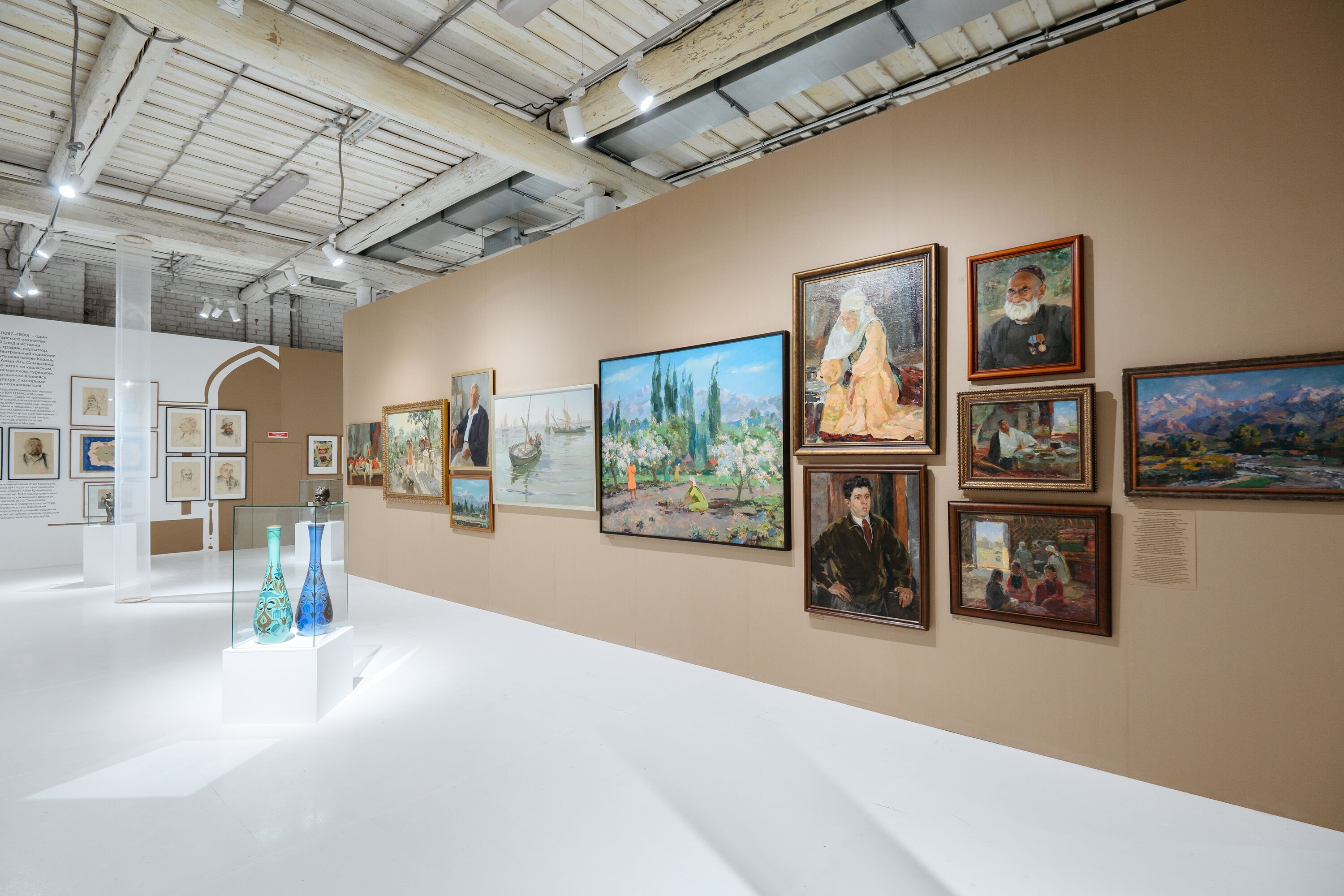
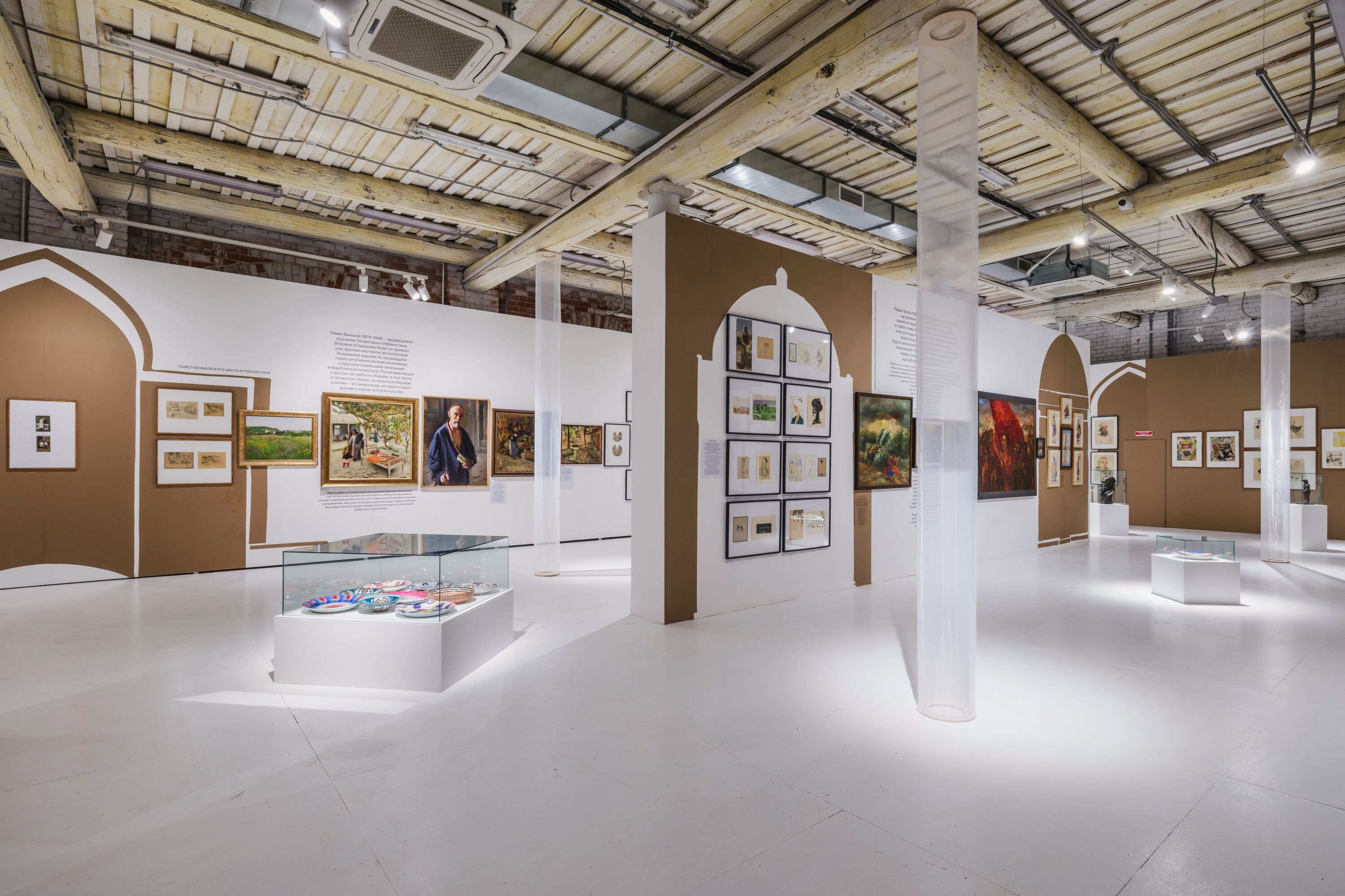
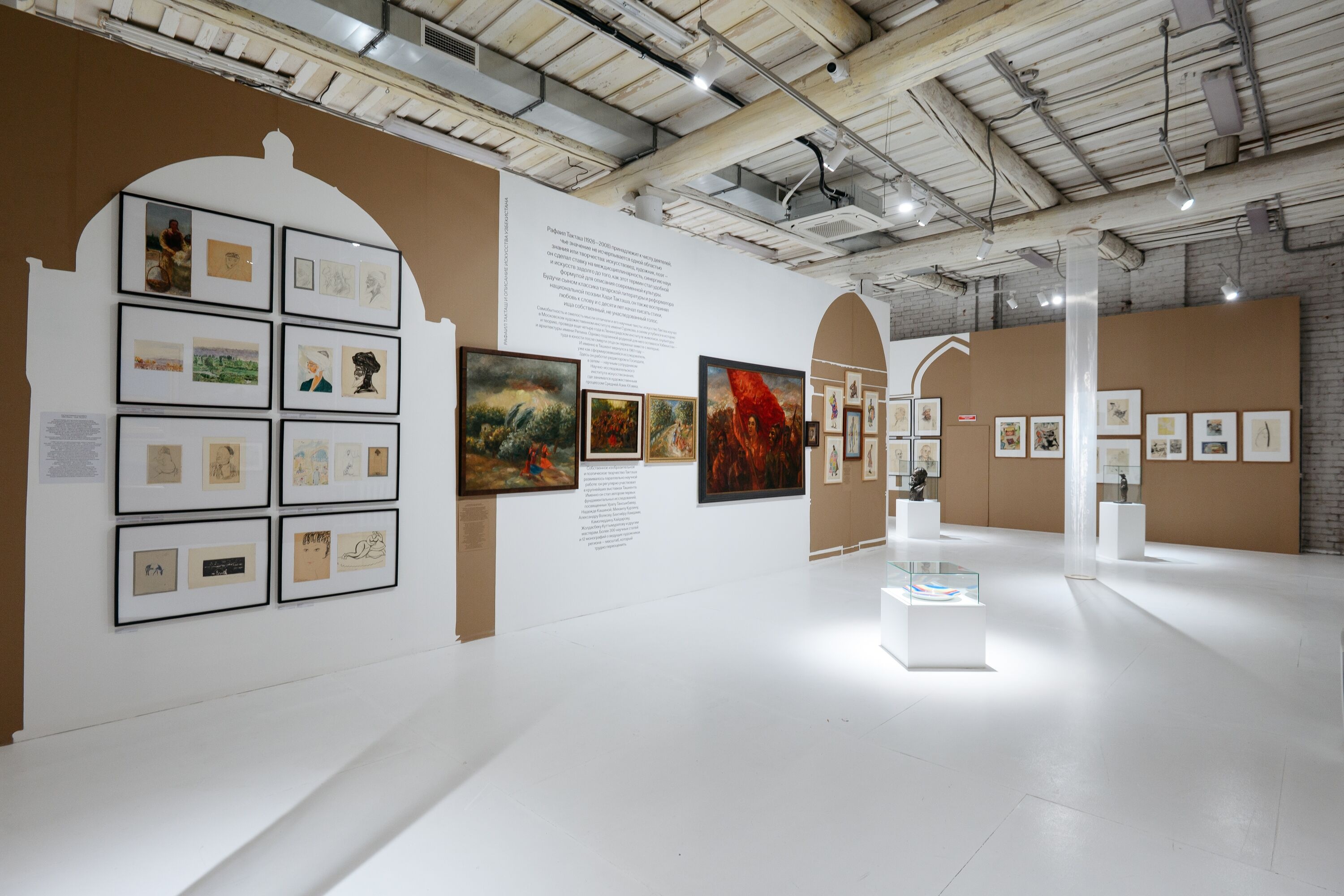
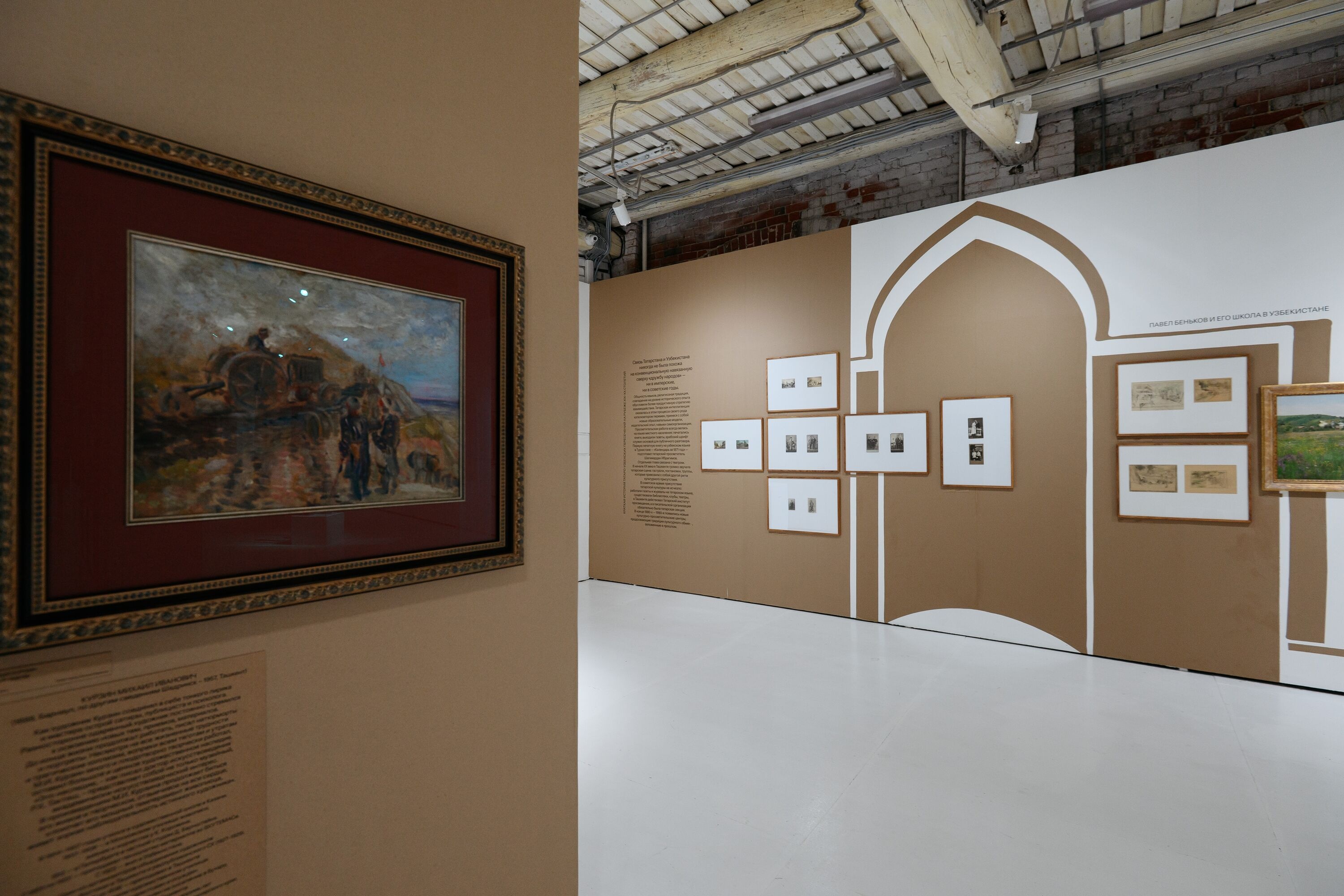
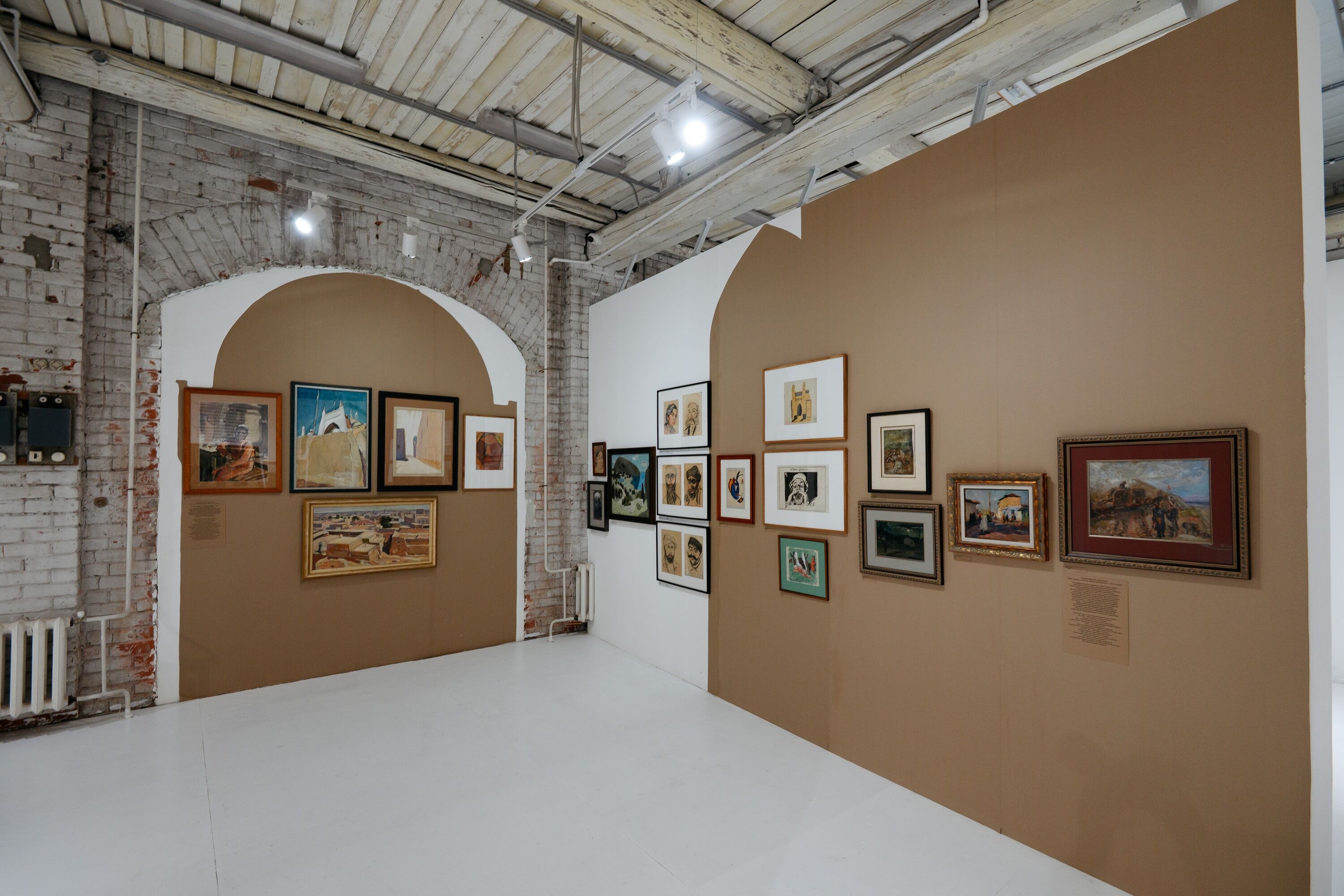
The exhibition opens a series of projects organized by Smena and the Marjdani Foundation, dedicated to the intersections of Kazan and Tatar history with cultures around the world. Thanks to similar culture and religion, linguistic proximity, centuries-old historical ties, and, ultimately, the incorporation of Turkestan into Russia, close relations developed between the Volga-Ural region and Central Asia in the 19th and 20th centuries. Following Turkestan's annexation, theologians and merchants, entrepreneurs and translators, teachers and artists began active explorationof the now much more accessible fertile land. The reasons for this intense migration varied between the Tsarist and early Soviet periods. The migration was not a unified or planned process, but it ultimately formed a dense fabric of cultural intersections between the regions. The exhibition is the first attempt to understand the depth and importance of the artistic and cultural connections and mutual influences between the two regions. It features works by key art figures of Tatarstan and Uzbekistan in the 20th century, who shaped the image of the new East in the middle of the century. Among them are representatives of the Kazan art school who found themselves in Turkestan: Pavel Benkov and Zinaida Kovalevskaya, and their students: Rakhim Akhmedov, Yusuf Elizarov, Faim Madgazin, and Rashid Temurov; and innovative artists who shaped the development of 20th-century Uzbek art: Chingiz Akhmarov, Alexander Volkov, Nadezhda Kashina, Mikhail Kurzin, Yulia Razumovskaya, Ural Tansykbaev, and Viktor Ufimtsev.
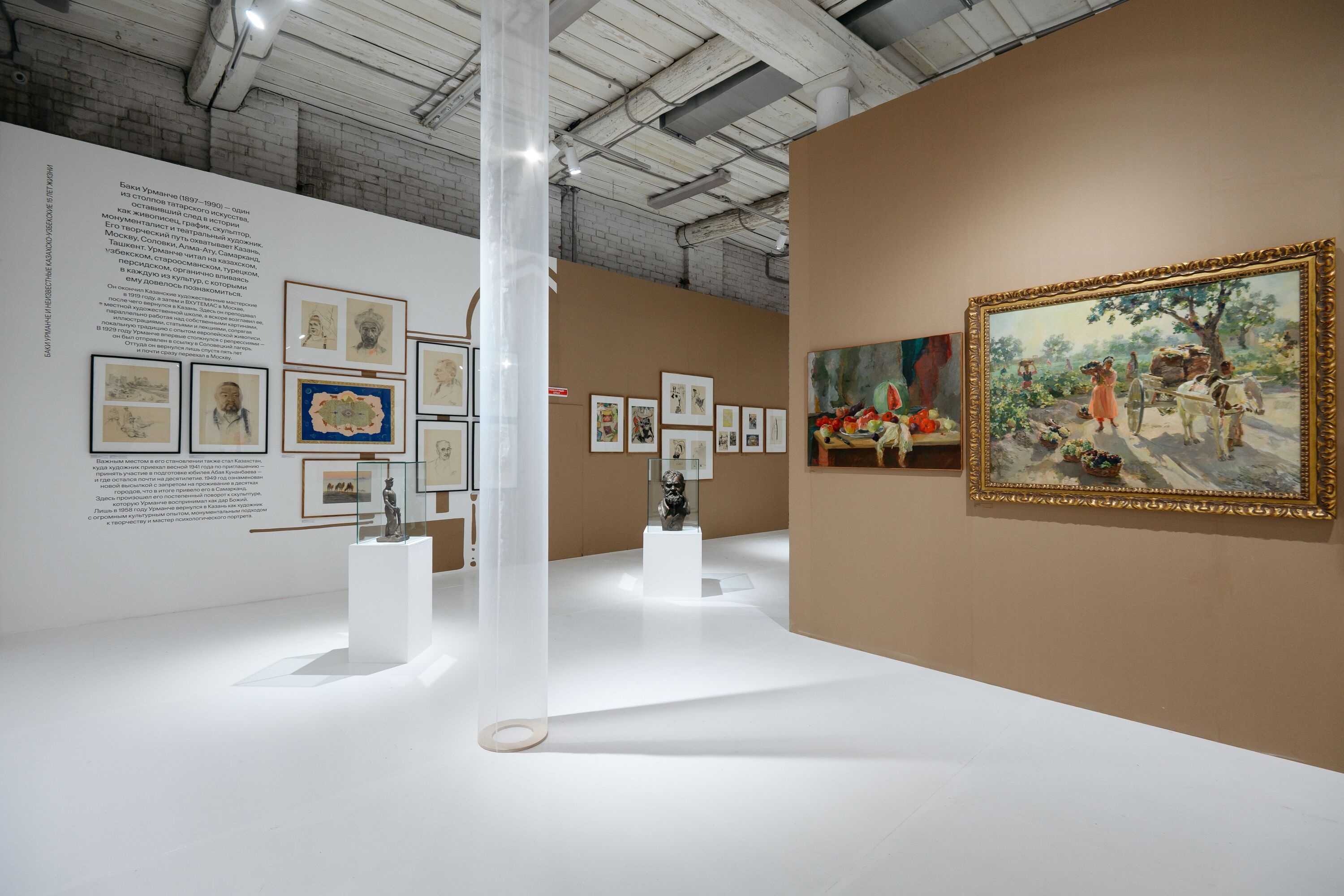
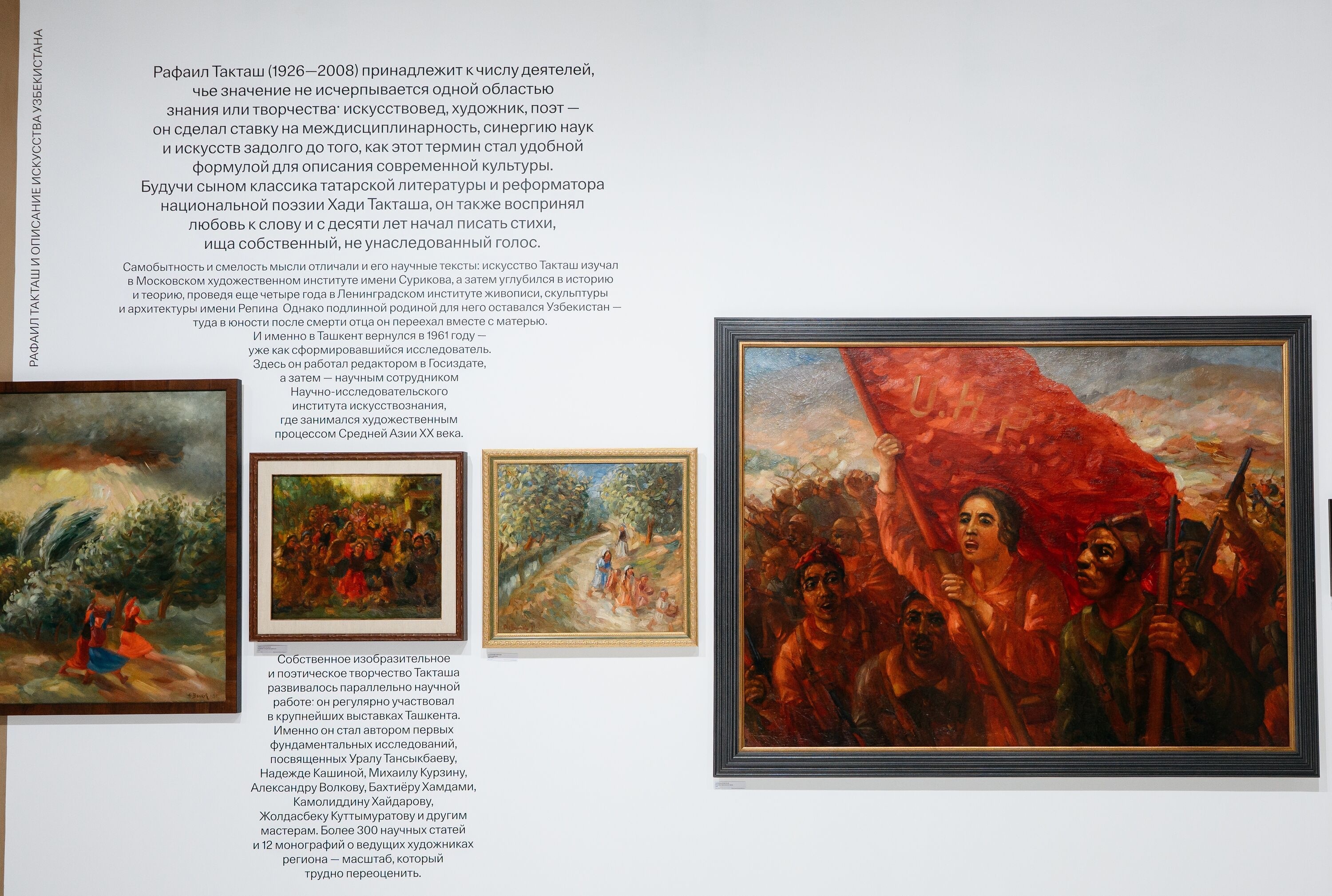
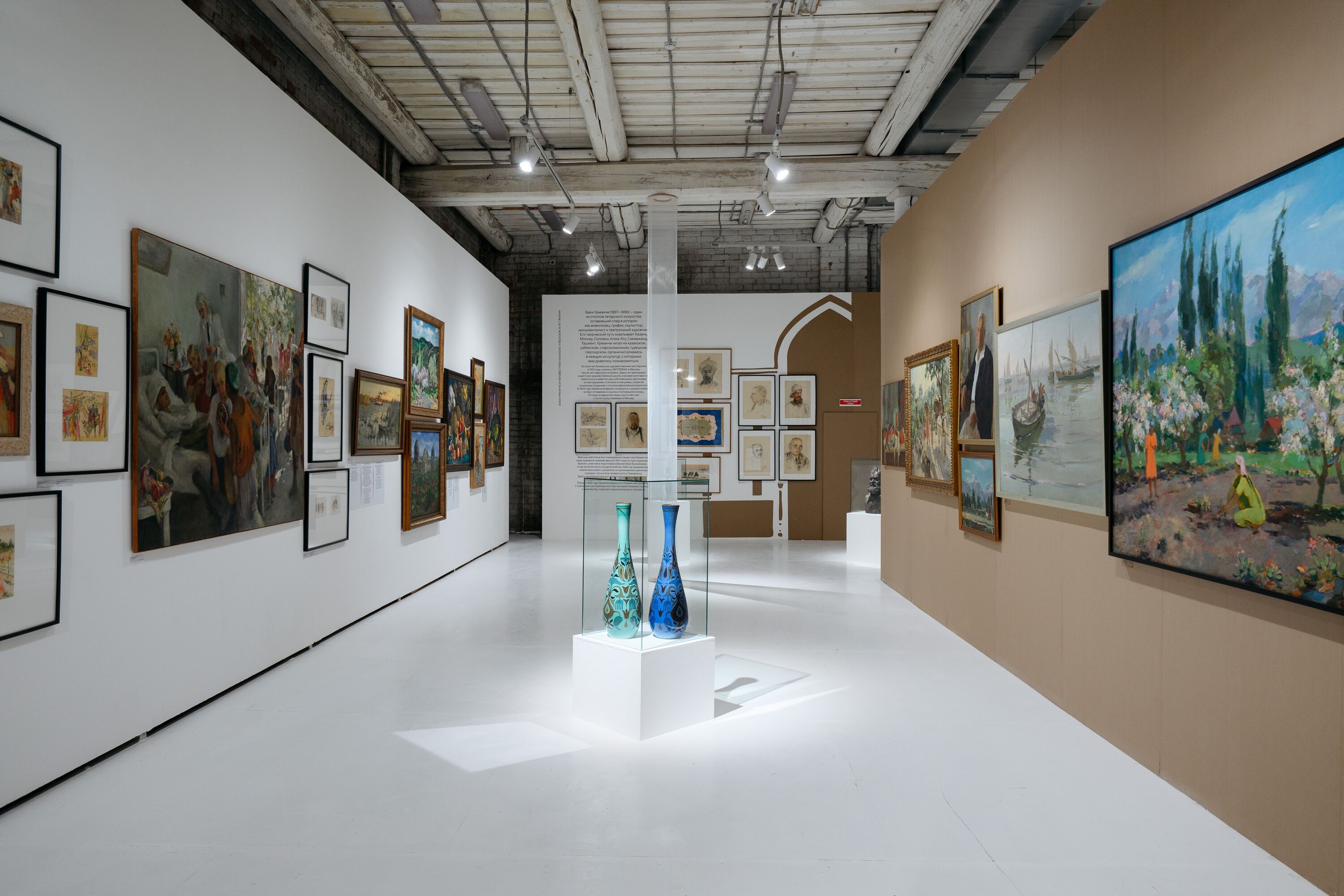
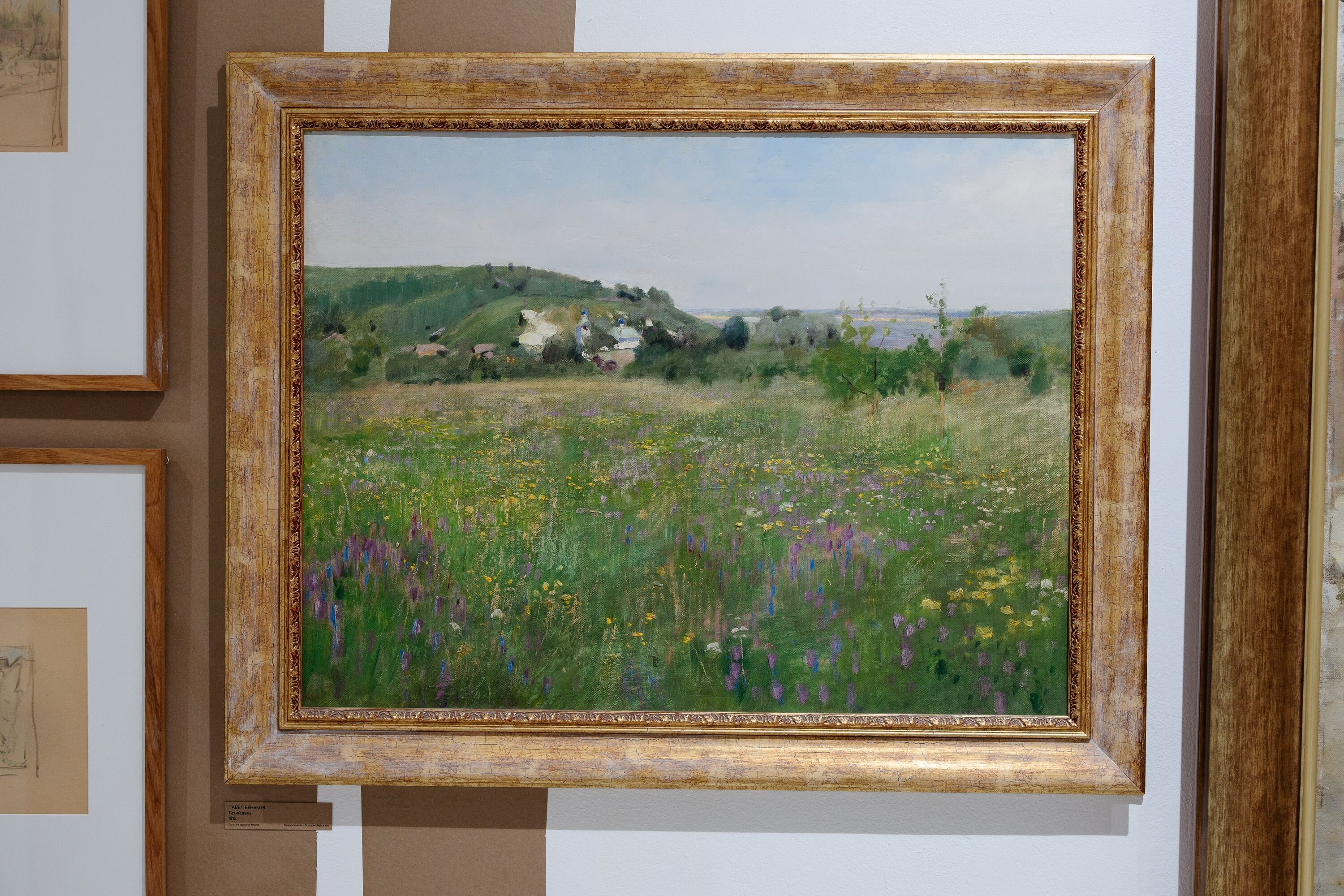
The exhibition highlights several heroes and storylines that reveal the depth of the intellectual and artistic ties between the two regions. These include artist and educator Pavel Benkov, who founded a new school of art in Uzbekistan; art historian Rafail Taktash, son of the Tatar writer Hadi Taktash, who dedicated his life to studying and popularizing Uzbek art; the founder of Tatar painting, Baki Urmanche, and his little-known period in Kazakhstan and Uzbekistan; Mikhail Kurzin, a graphic artist, teacher, graduate of the Kazan Art School, and one of the leaders of the Siberian and Uzbek art scene; and Alexander Volkov, a prominent representative of the "Turkestan avant-garde."
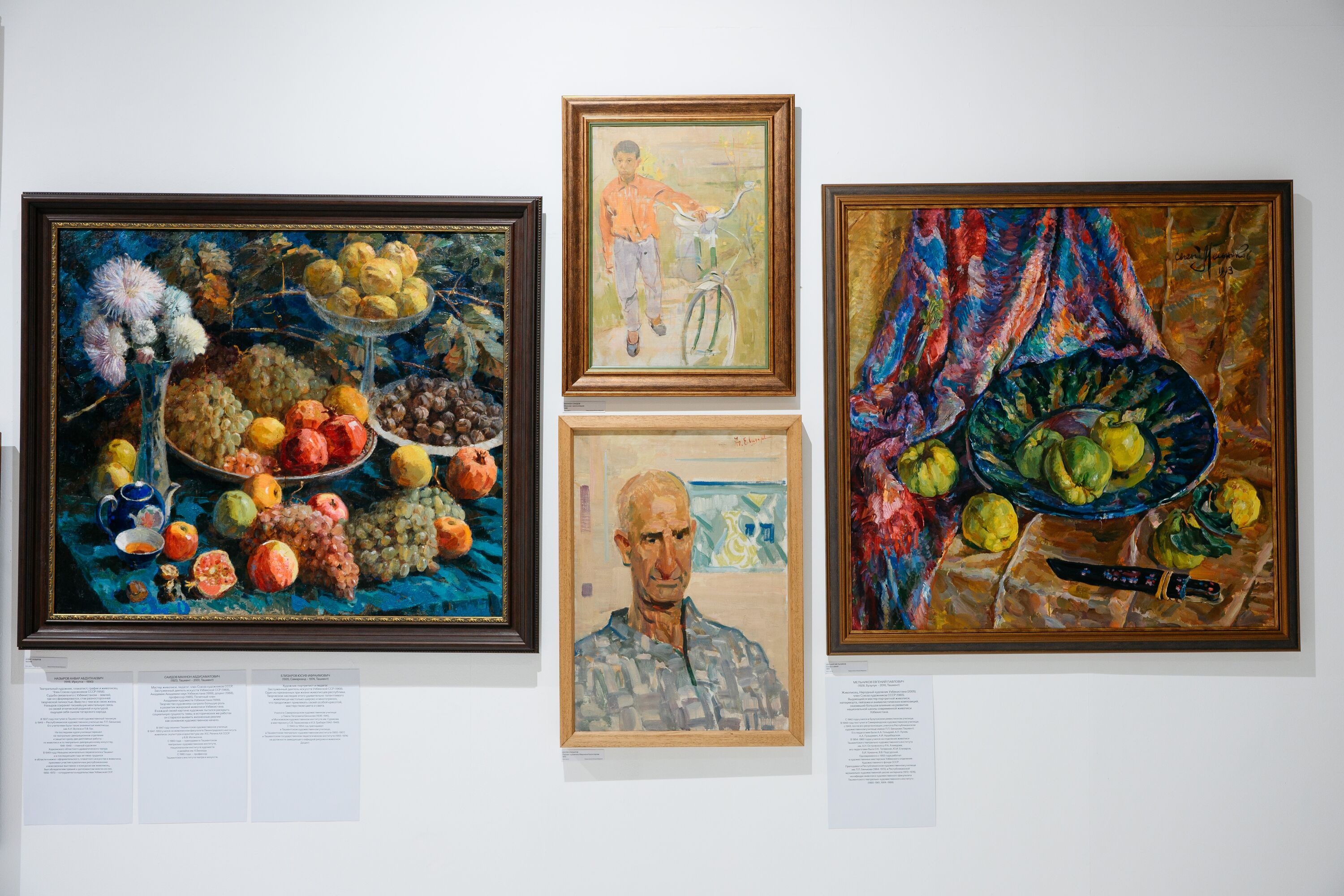
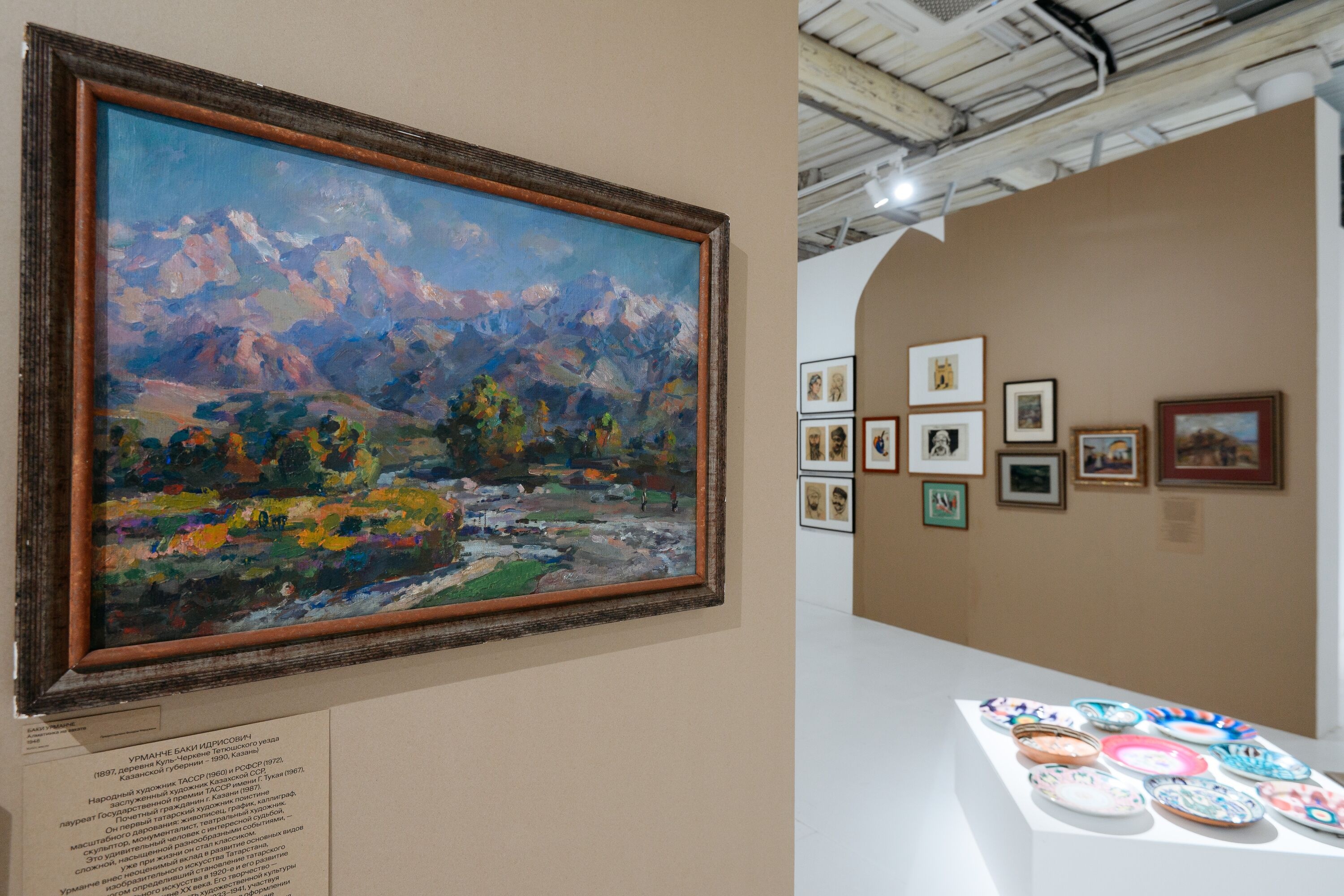
The exhibition features over 150 works, most of which are being shown in Kazan for the first time.
The exhibition highlights several heroes and storylines that reveal the depth of the intellectual and artistic ties between the two regions. These include artist and educator Pavel Benkov, who founded a new school of art in Uzbekistan; art historian Rafail Taktash, son of the Tatar writer Hadi Taktash, who dedicated his life to studying and popularizing Uzbek art; the founder of Tatar painting, Baki Urmanche, and his little-known period in Kazakhstan and Uzbekistan; Mikhail Kurzin, a graphic artist, teacher, graduate of the Kazan Art School, and one of the leaders of the Siberian and Uzbek art scene; and Alexander Volkov, a prominent representative of the "Turkestan avant-garde."
The exhibition features over 150 works, most of which are being shown in Kazan for the first time.
Organizers and participants
The Mardjani Foundation, Center for Contemporary Culture "Smena", Galeyev Gallery
Photos