 Mardjani Foundation
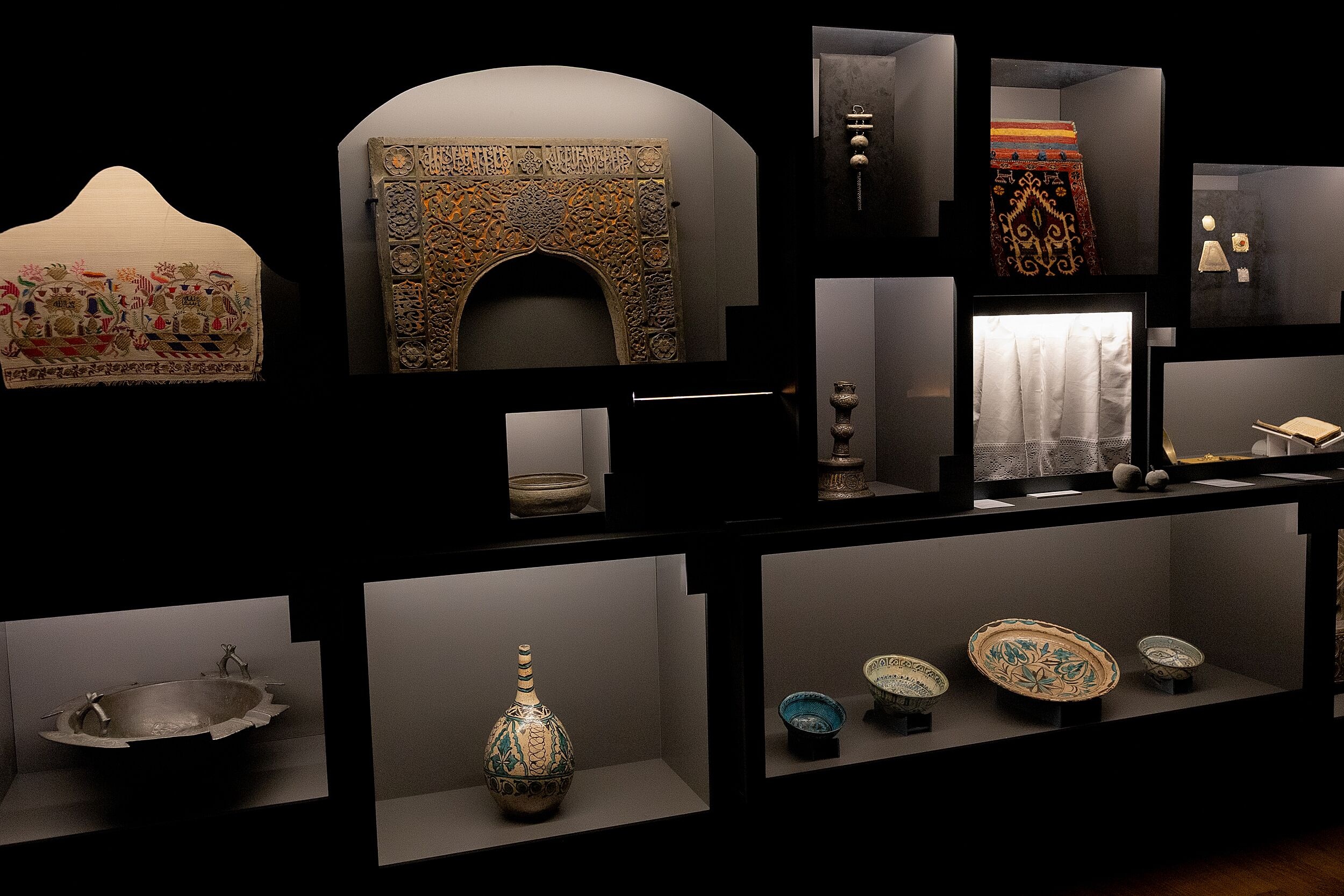
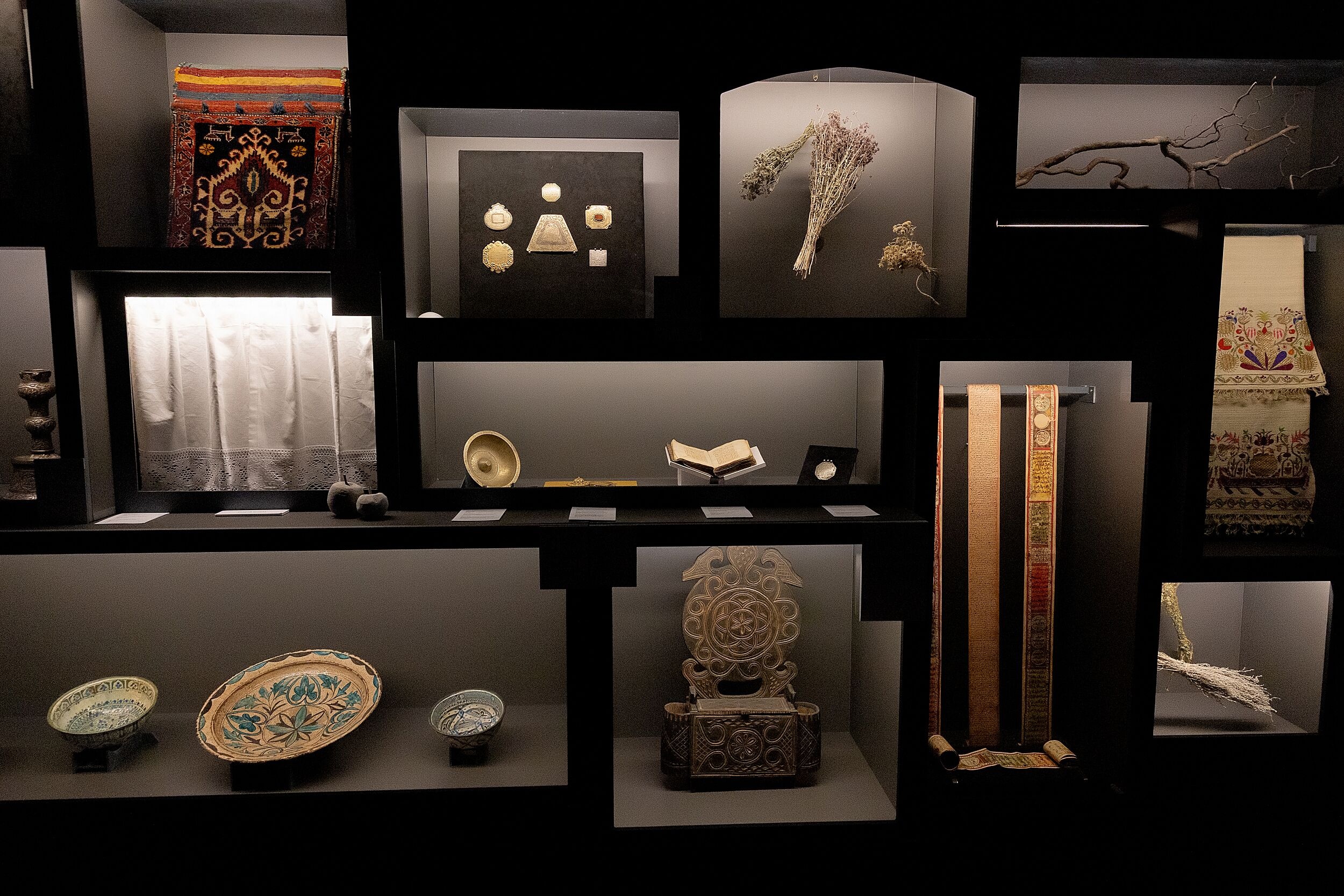
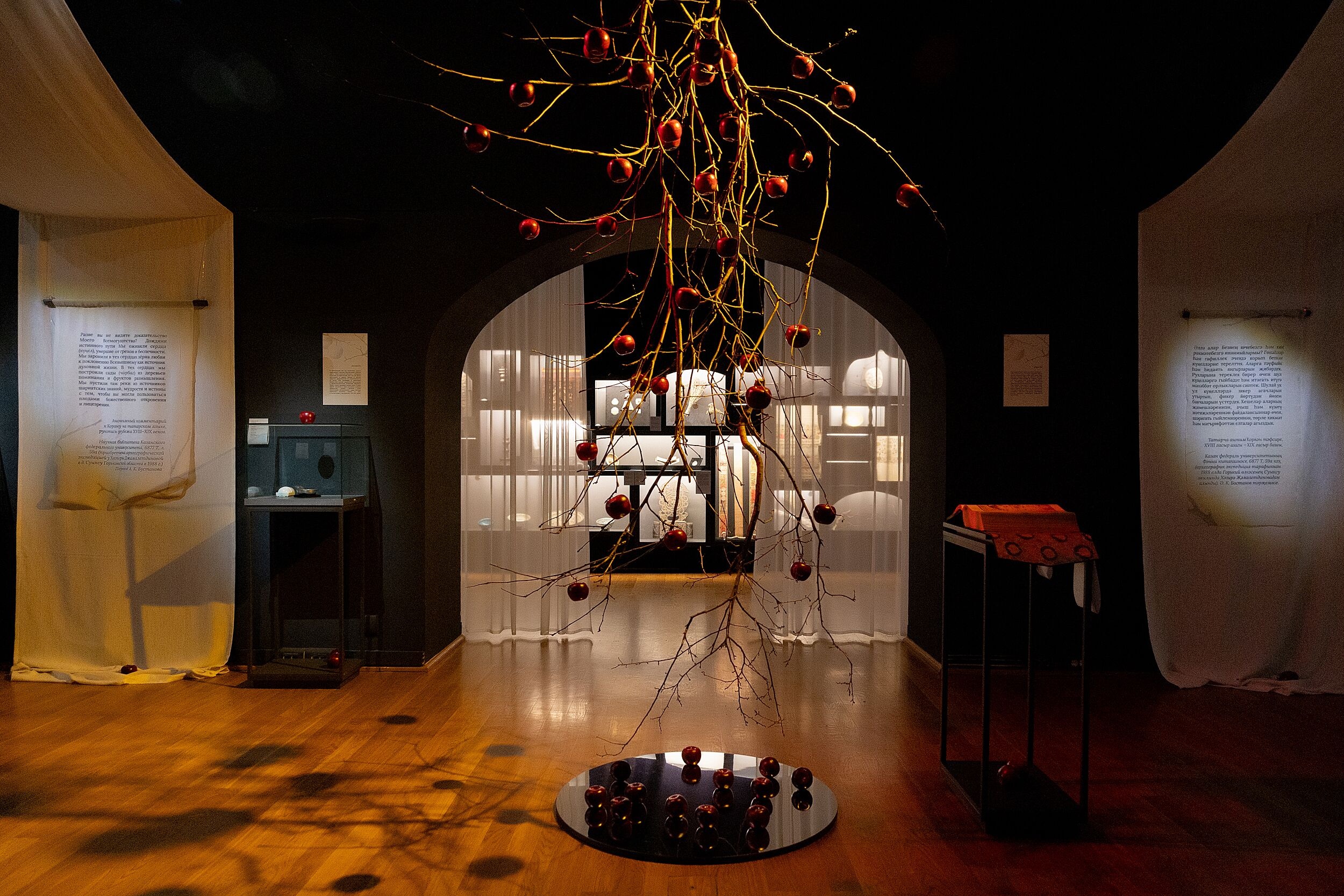
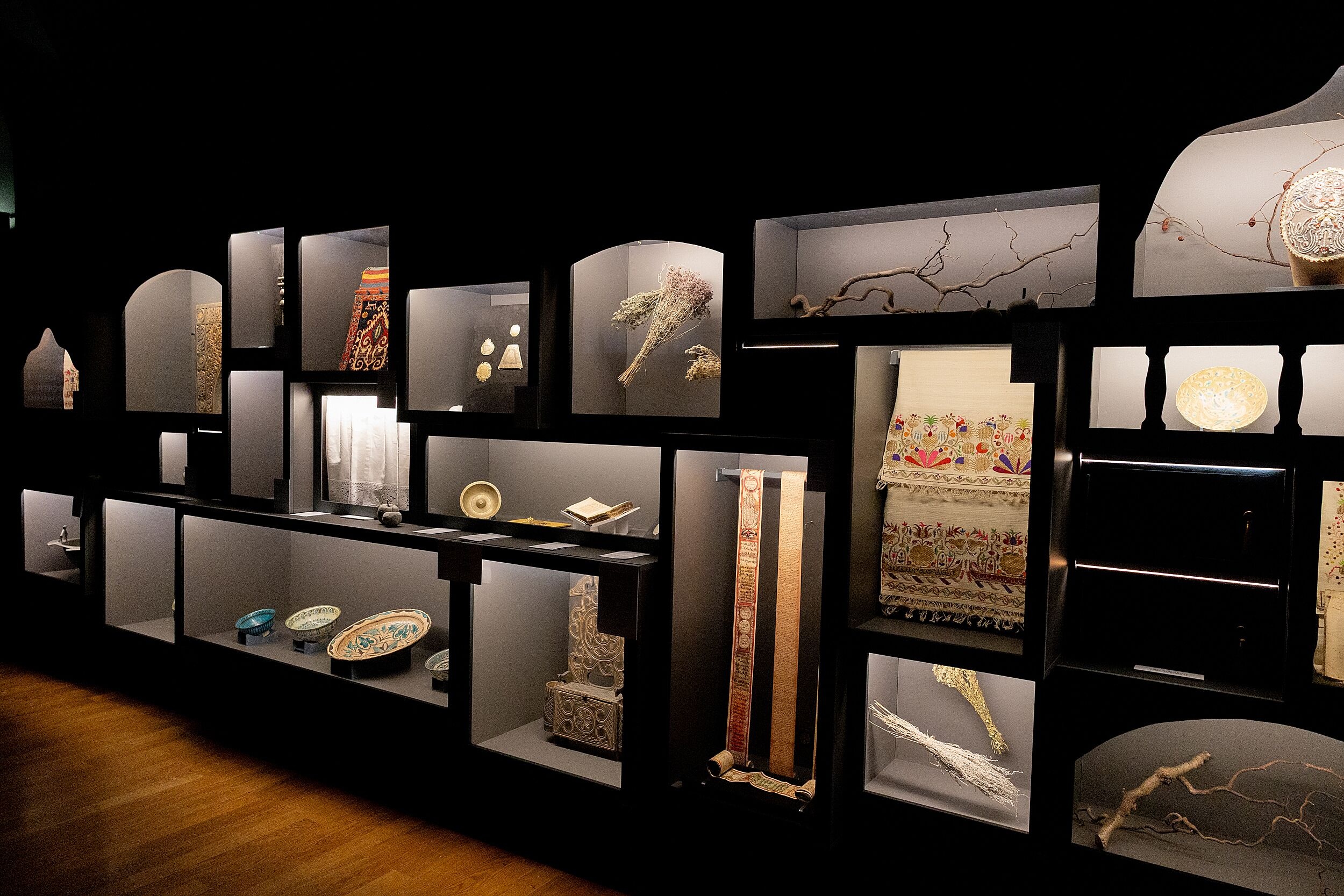
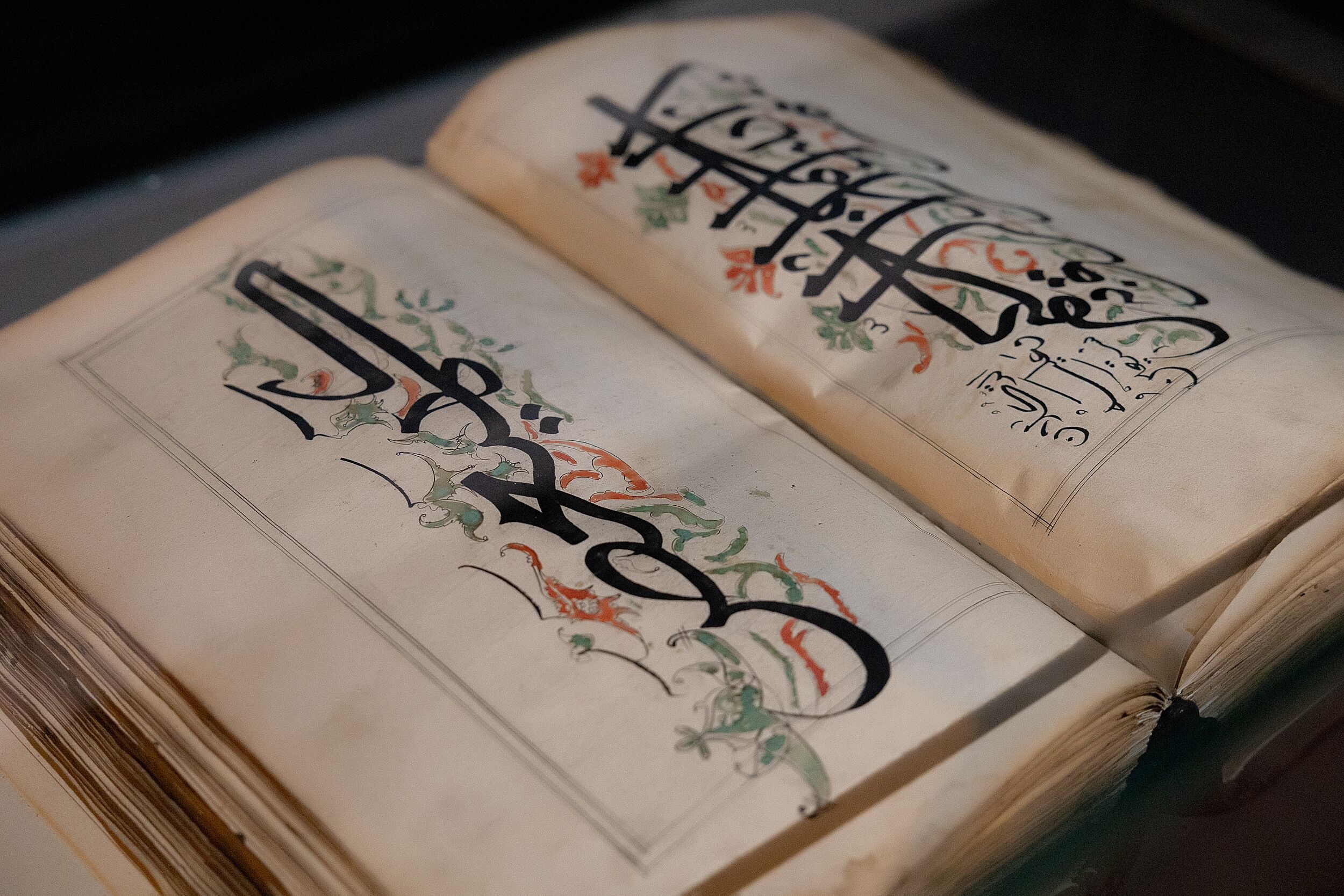
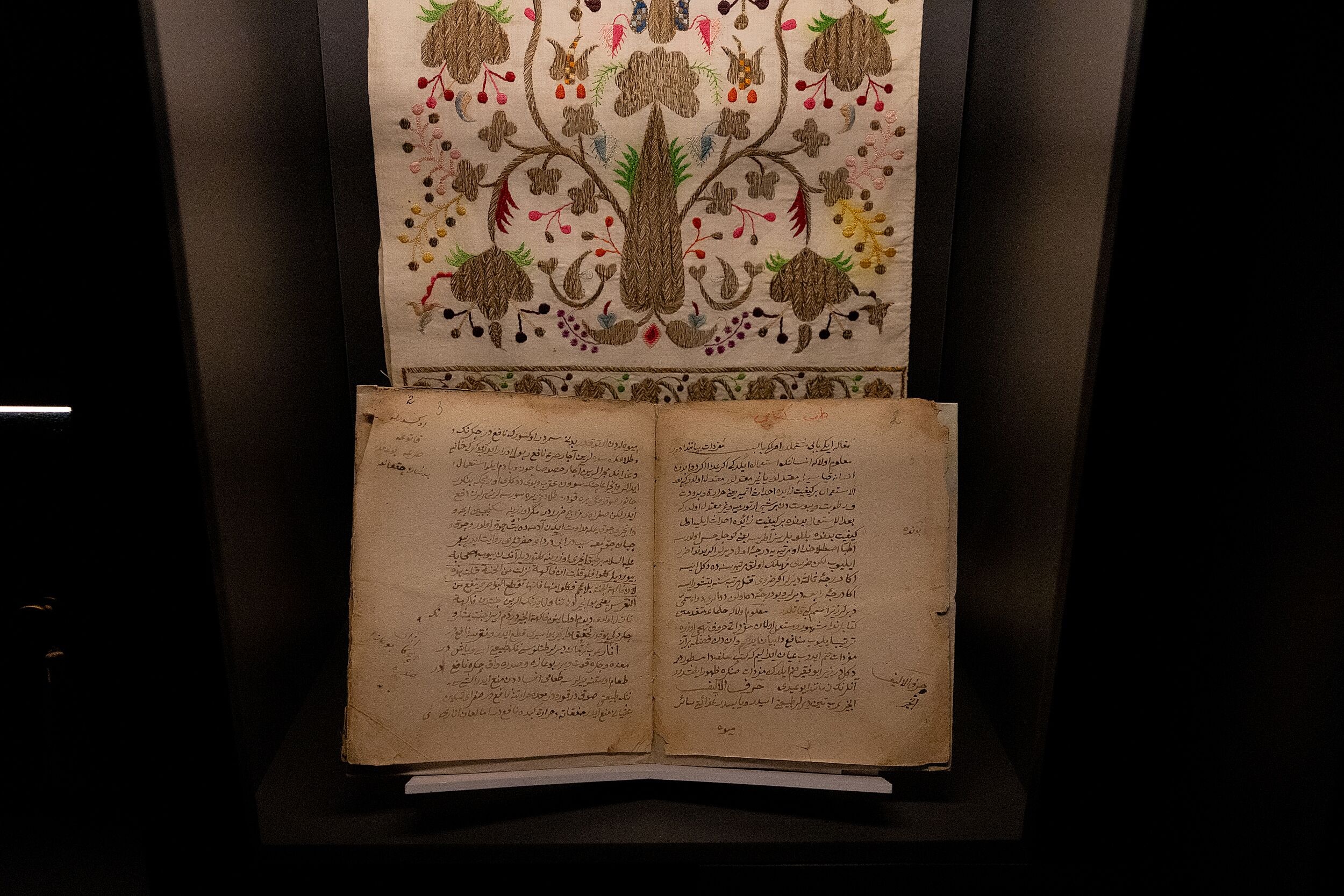
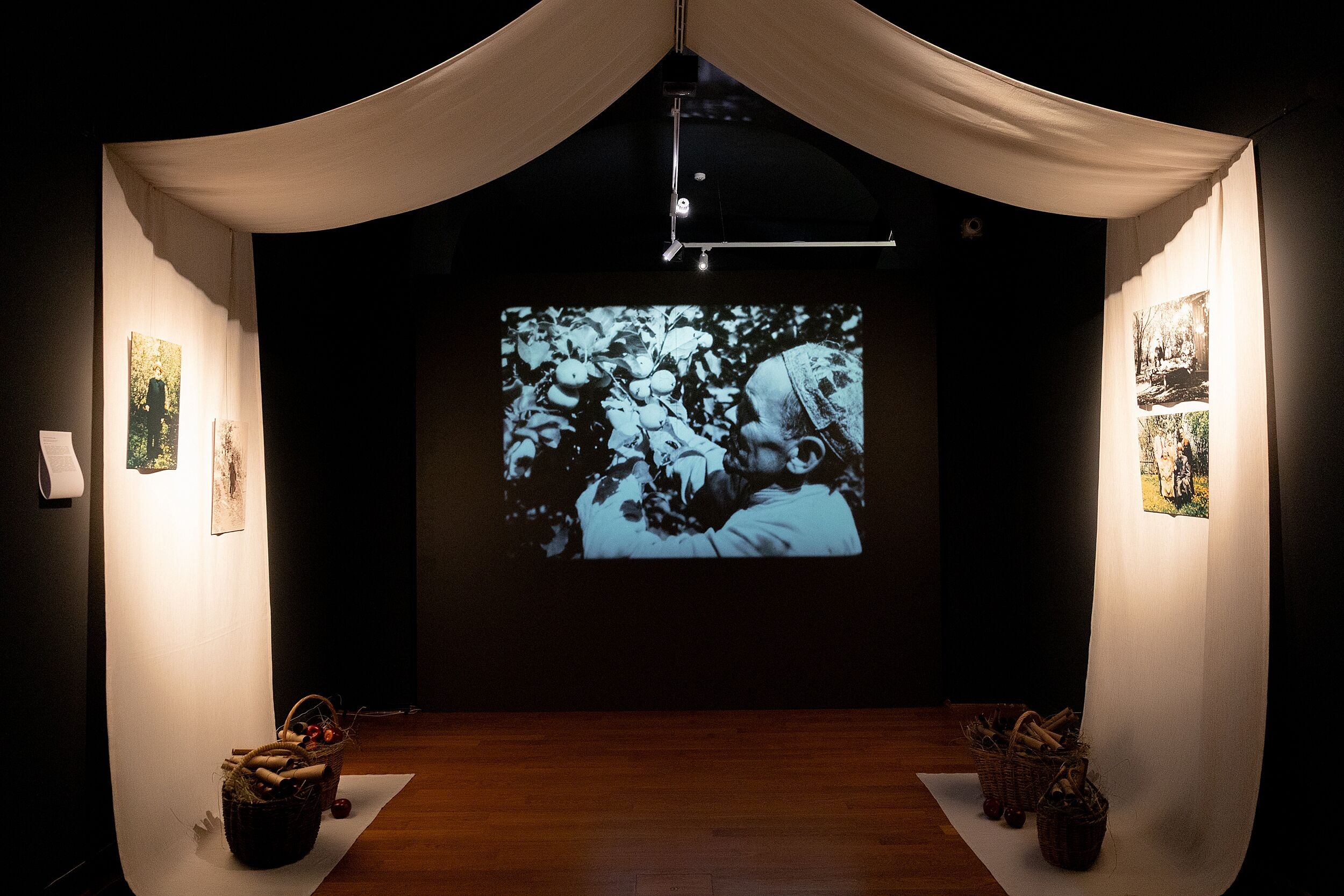
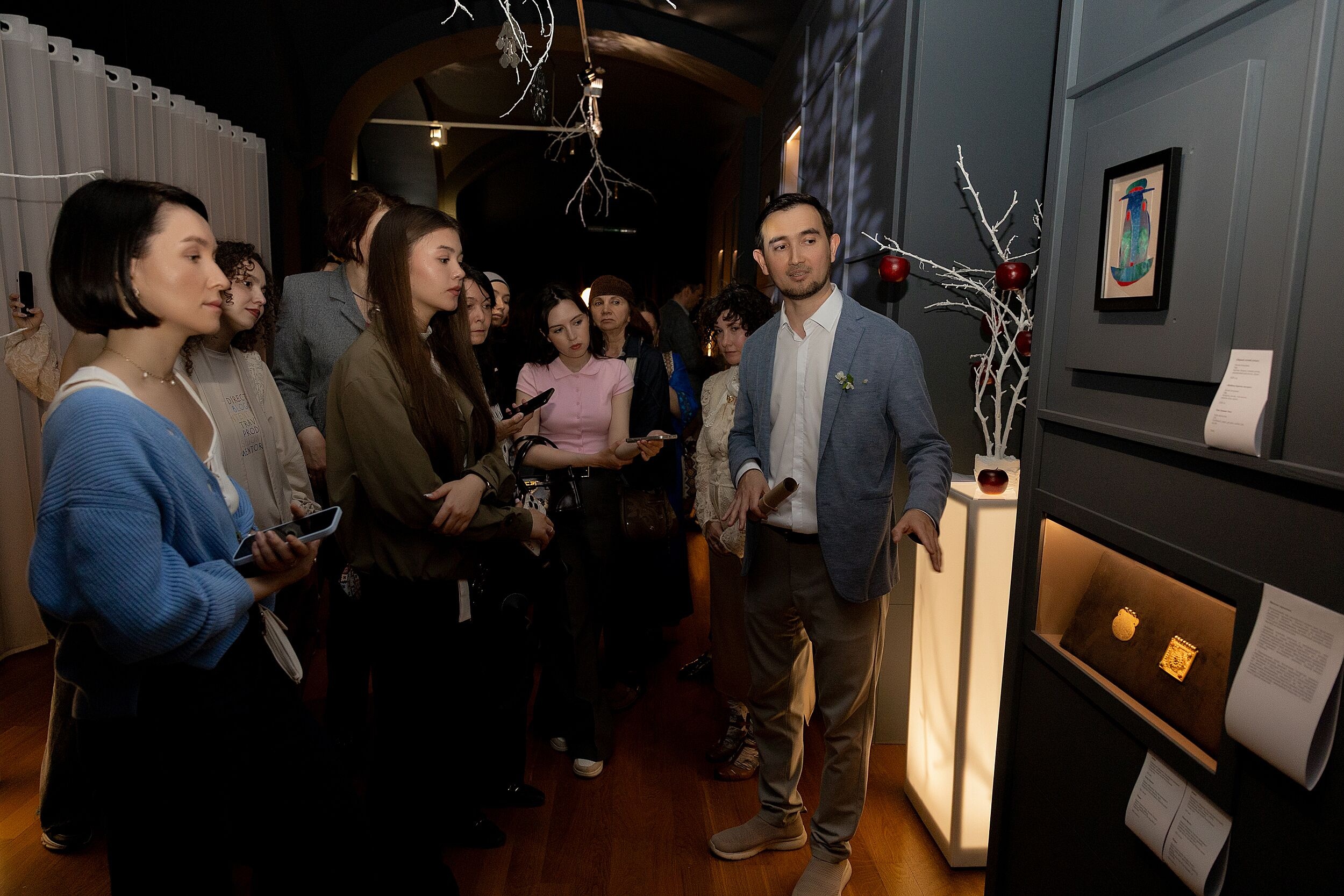
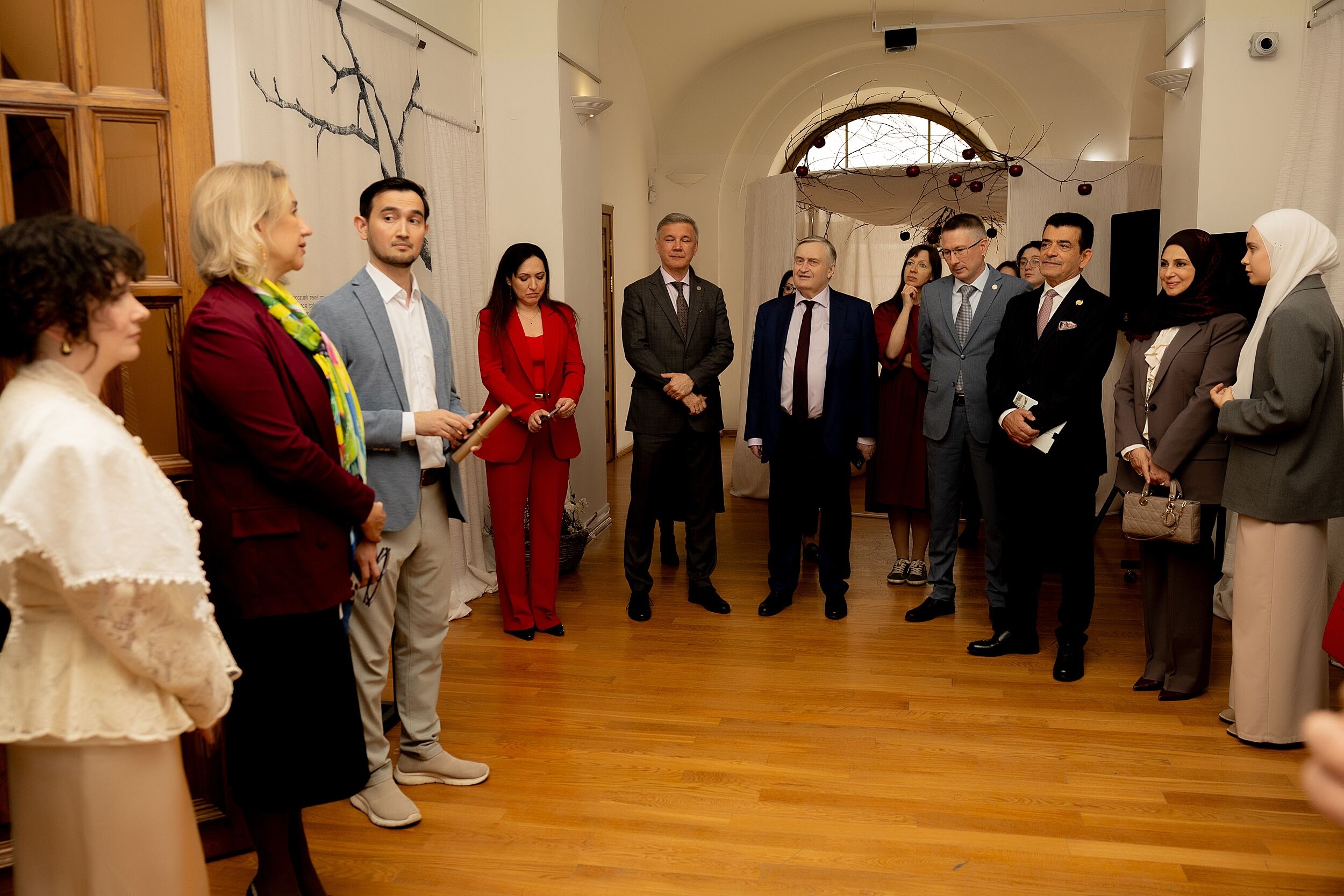
The Paradise Garden is a key metaphor and a crucial space for Islamic cultures globally. The garden brings together poetry and objects, sensory experiences and silence. In the garden, the apples of eternal bliss ripen, references to which we find both in theological texts and in everyday objects. The exhibition consists of art objects from various eras and is divided into six zones: Between Worlds, Garden, Spirituality, Love, Corporeality, and Death. The exhibition's concept is based on the emotional perception of gardens and their place in Muslim culture: from a symbol of paradise to social connections.
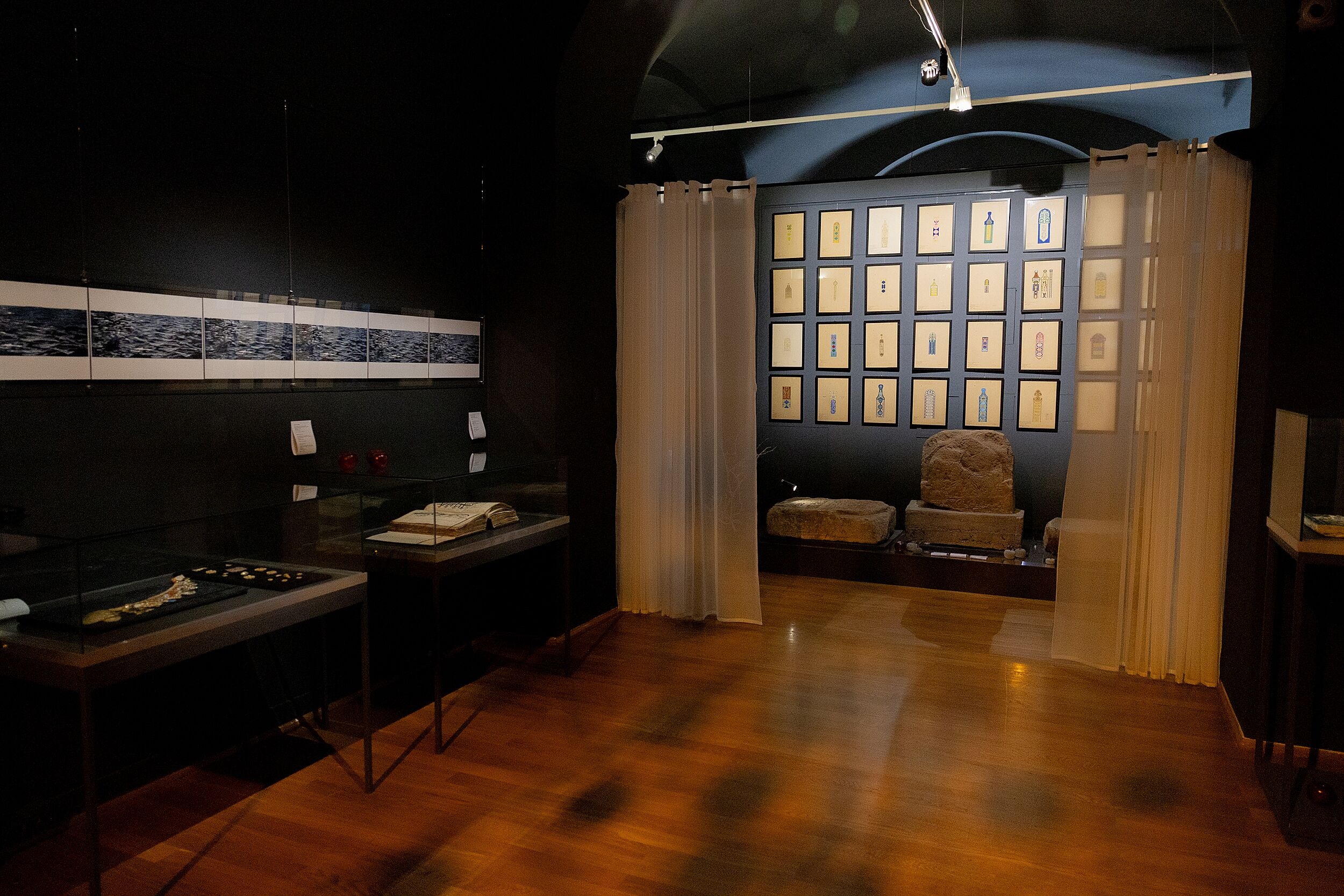
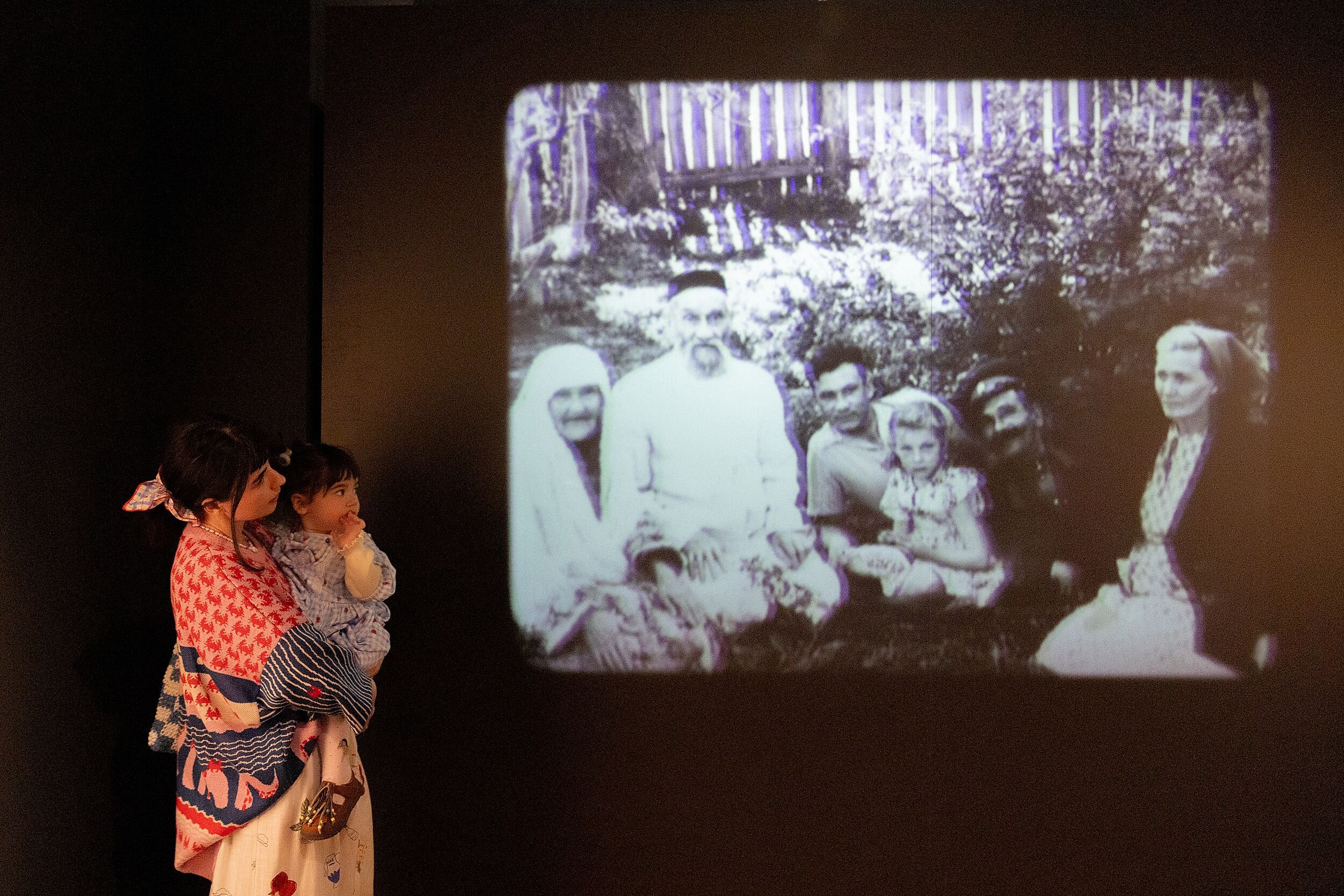
Drawings of tombstones and jewelry from the Golden Horde period are juxtaposed with canvases by artists Marat Aliakberov and Rustam Kubik, archival photographs are neighboring with an artistic video essay by Gulshat Gubaidullina, and a khurjin bag and buttons from 13th-14th-century outfits are displayed alongside with graphics by Zulfiya Ilkaeva and mosaics by Jamila Shah.
Drawings of tombstones and jewelry from the Golden Horde period are juxtaposed with canvases by artists Marat Aliakberov and Rustam Kubik, archival photographs are neighboring with an artistic video essay by Gulshat Gubaidullina, and a khurjin bag and buttons from 13th-14th-century outfits are displayed alongside with graphics by Zulfiya Ilkaeva and mosaics by Jamila Shah.
Organizers and participants
The National Museum of the Republic of Tatarstan, The Mardjani Foundation, State Museum of Oriental Art , Street Art Research Institute
Photos