 Mardjani Foundation
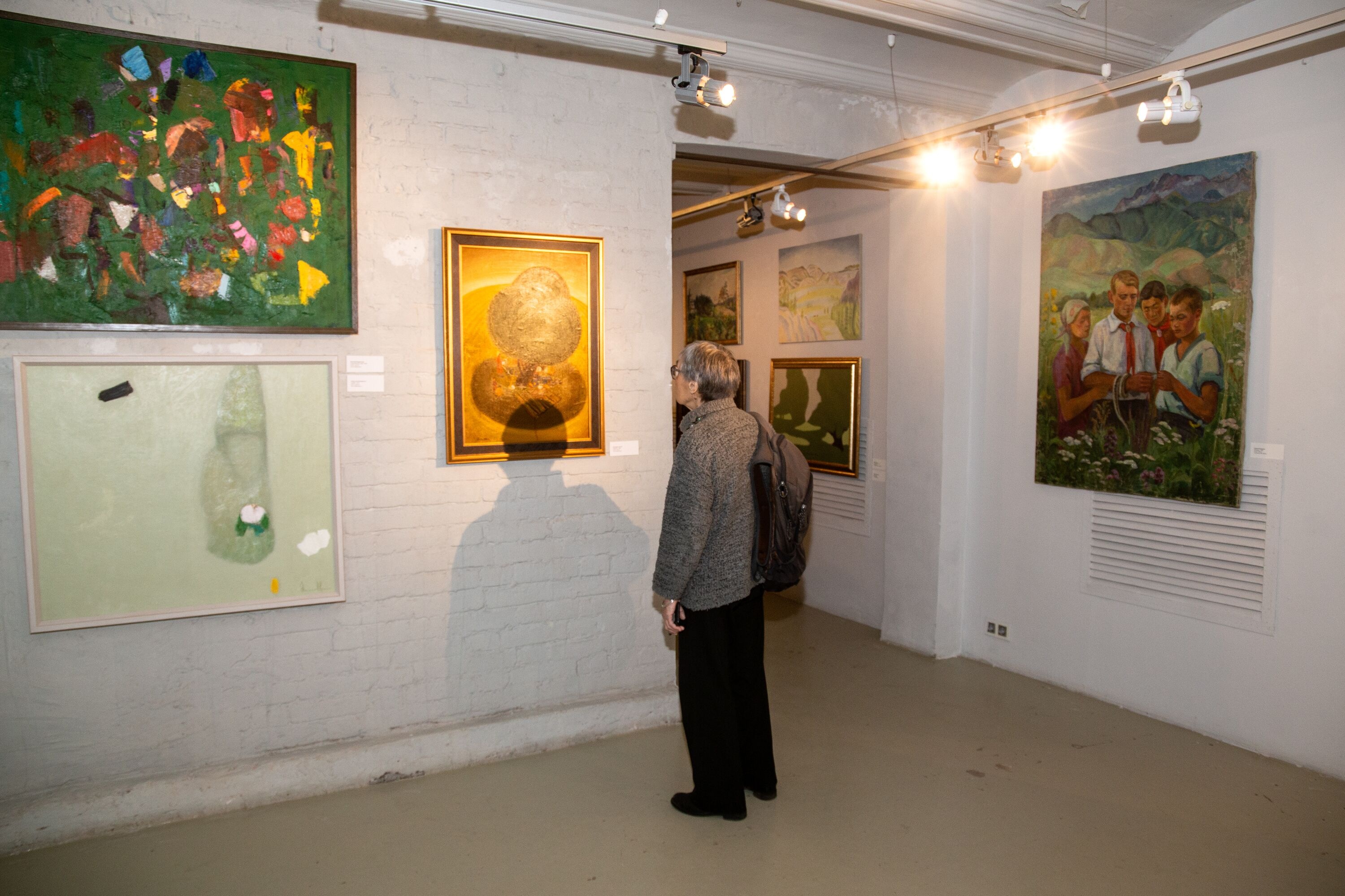
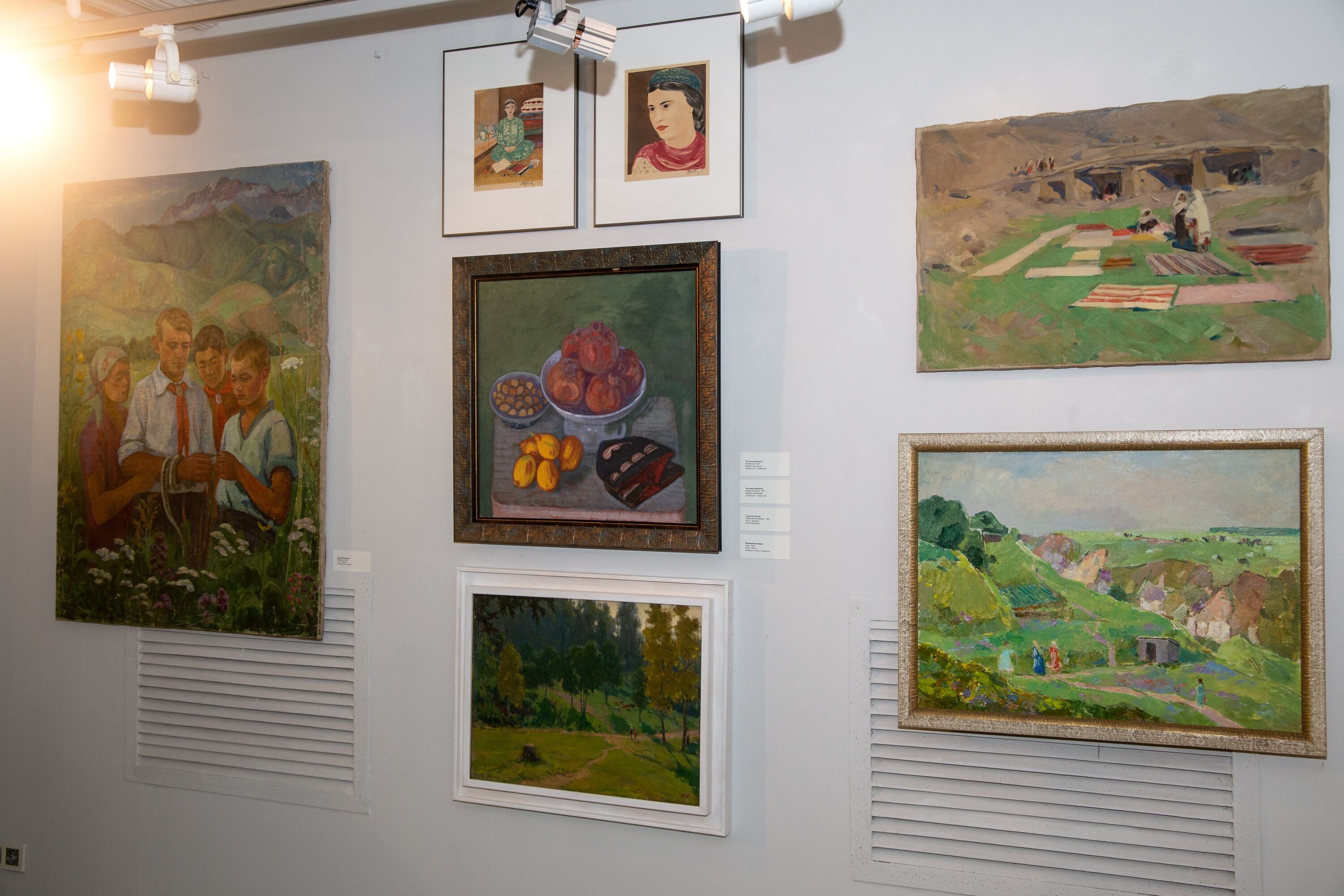
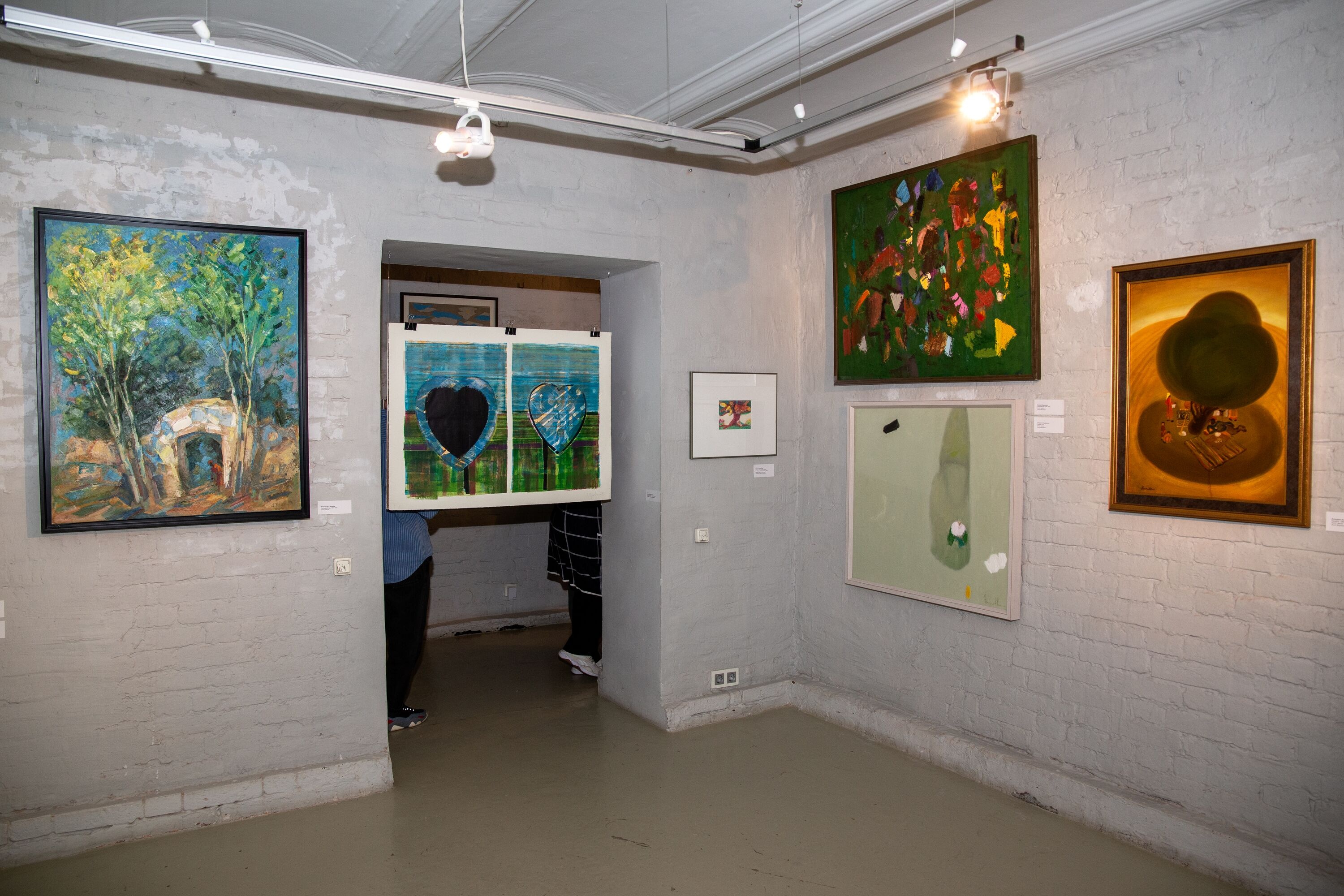
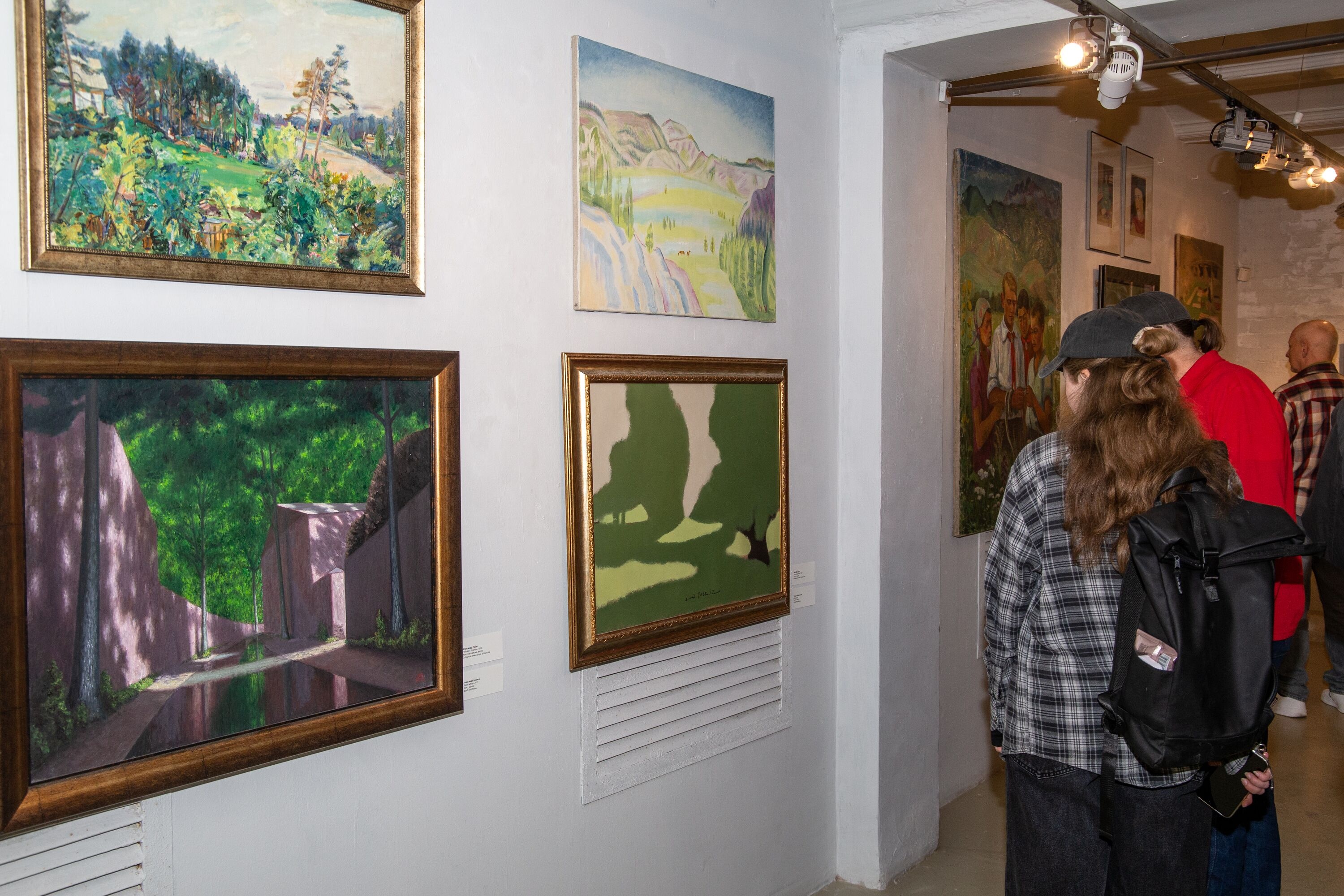
The exhibition's title features words denoting certain exotic shades of green: the recognizable color of billiard cloth; a light yellow-green named after a liqueur of the same yellow-green hue; and a frog that has fainted, which takes on a pale gray-green color. This is not the first time the Ark Gallery has turned to examining a particular color and its role in artistic language. Over the years, the gallery has presented exhibitions such as White (2011), Red. October (2017), and Color Separation (2020).
Green is one of the three primary colors in the RGB system, alongside red and blue. Green is a symbol of life, nature, harmony, growth, and renewal, associated with youth, hope, tranquility, and fertility. Artists readily make use of its various shades.
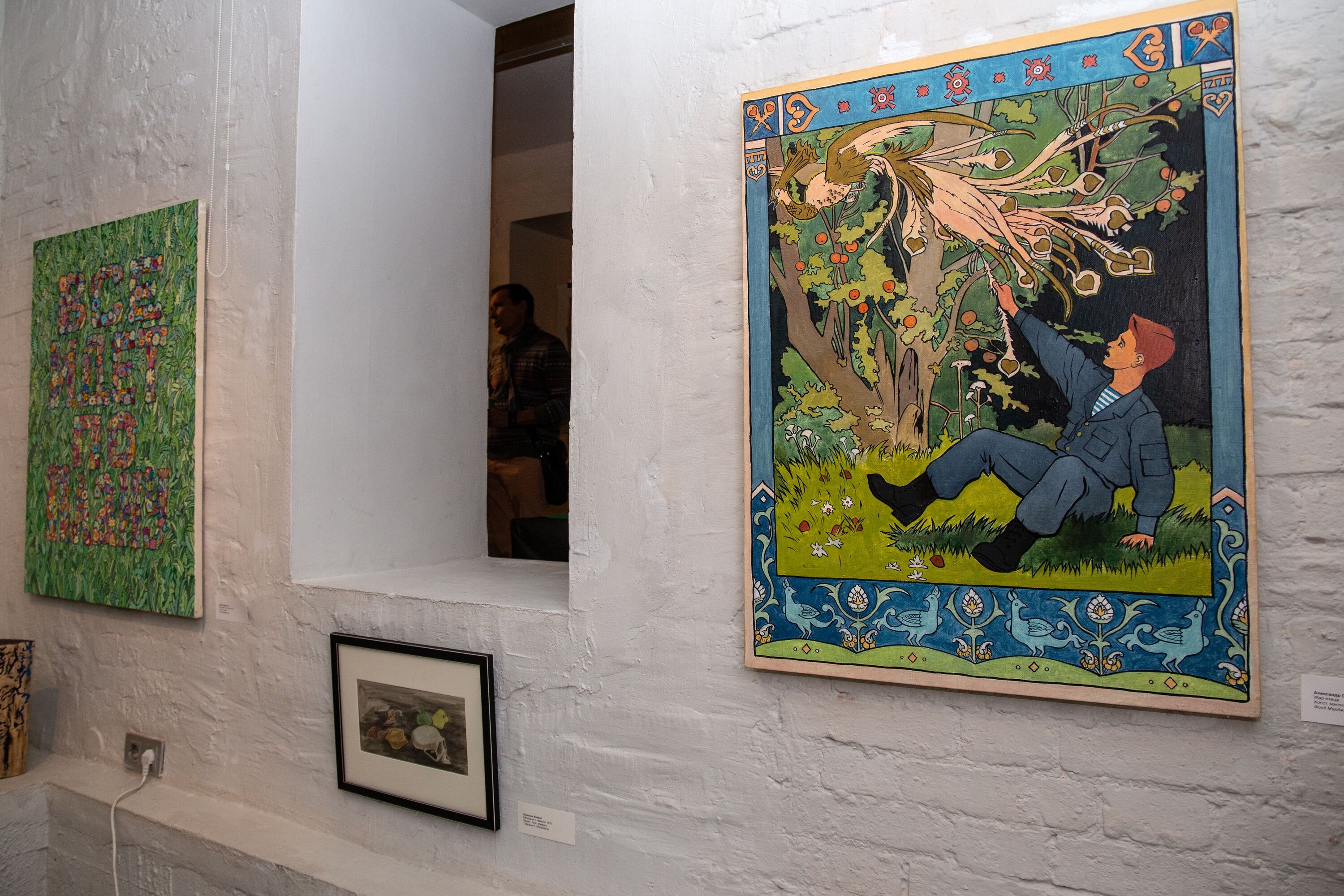
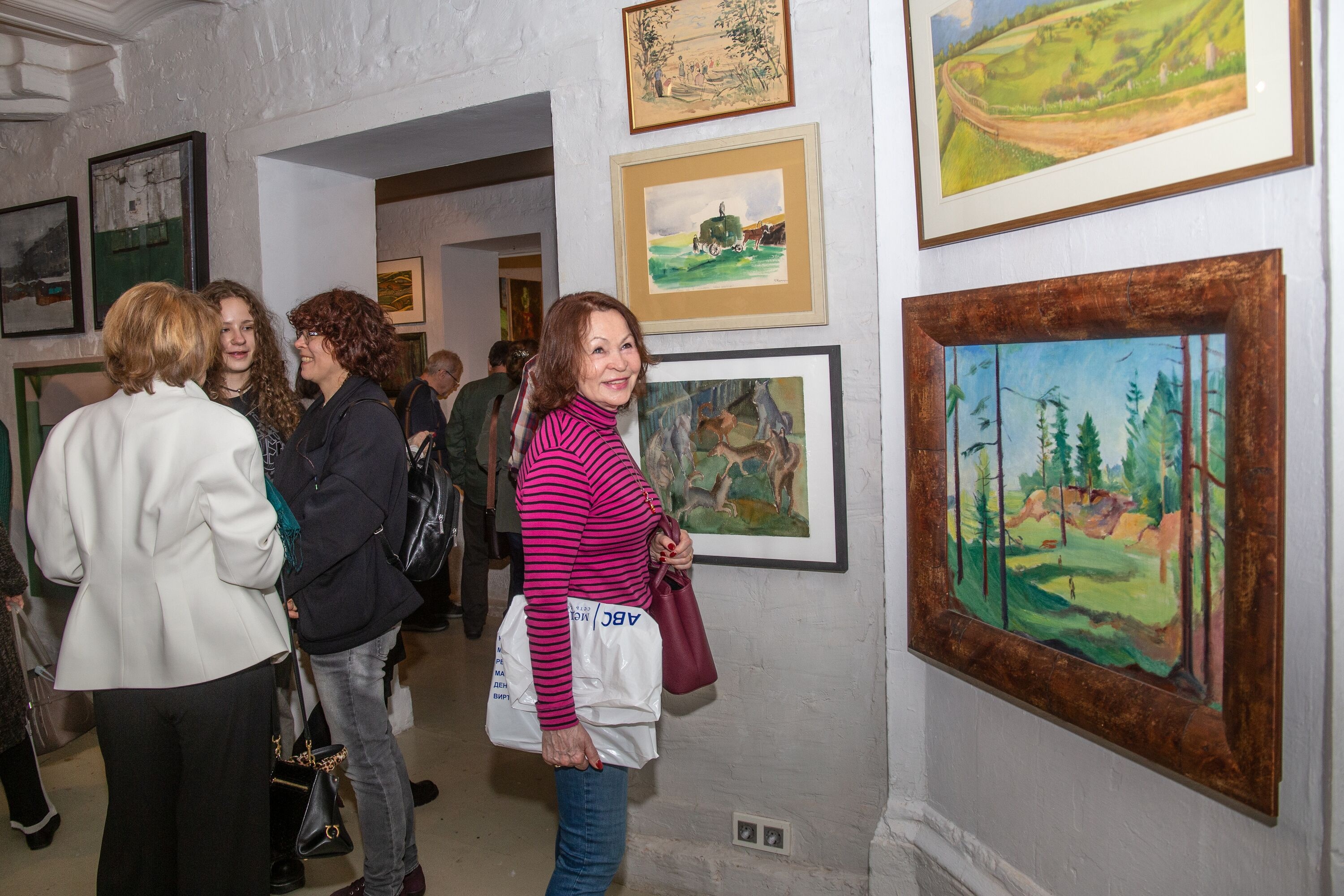
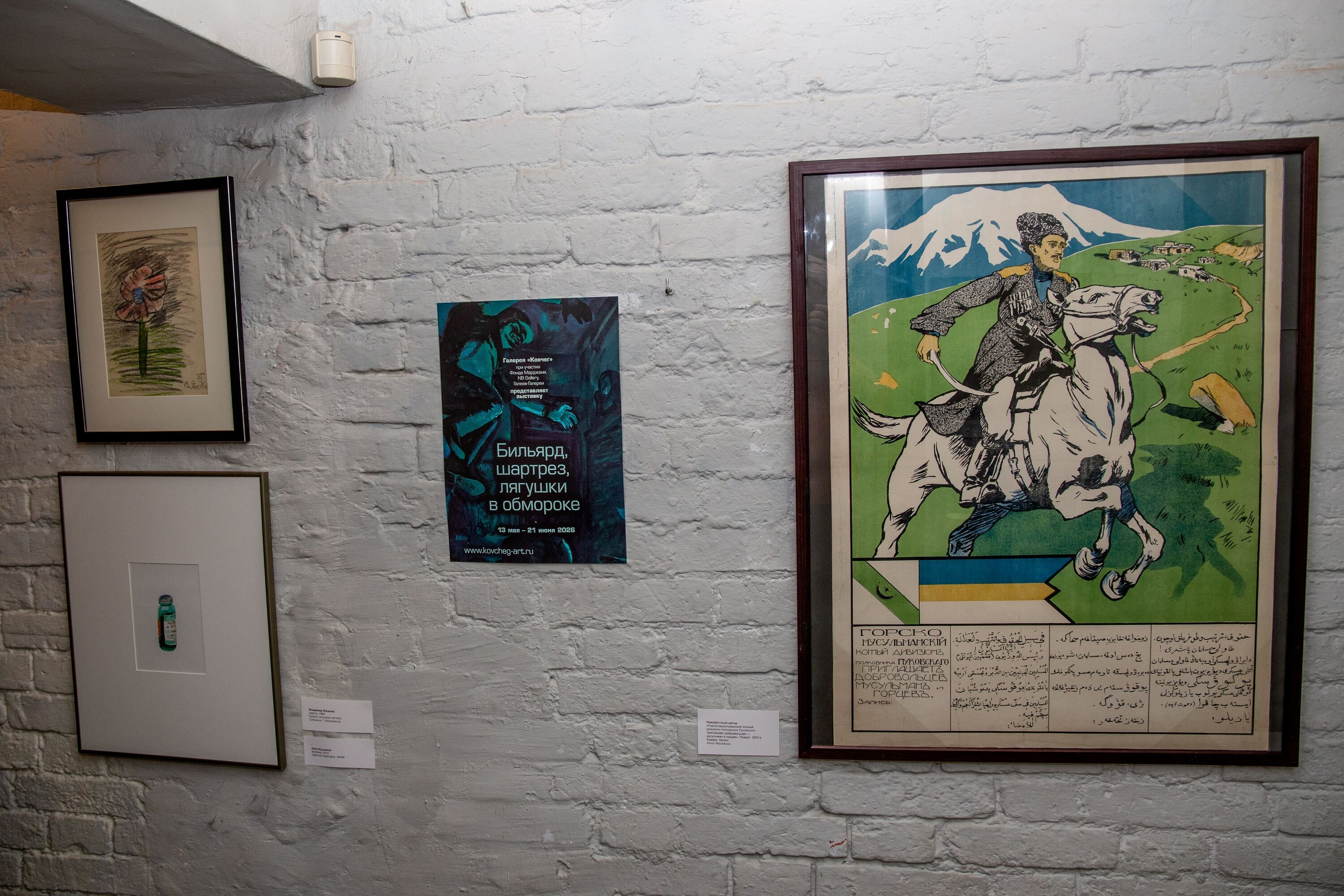
In preparing the exhibition, immersing ourselves in the theme required studying images of forests and grasses, cacti and ferns, beetles and grasshoppers, as well as the garments of wandering knights and count's livery, border guards and customs officers, male and female eyes, watermelons, cabbages and cucumbers, unripe apples and limes, glass containers, institutional interiors and flickering lamps, ocean waves and traffic lights, banknotes, snakes, devils, and mermaids. As a result, the exhibition has brought together around 200 paintings created by Russian and Soviet artists across a wide range of genres and spanning the period from 1904 to 2026. The works have been provided by the Mardjani Foundation, Galeev Gallery, and NB Gallery.
Green is one of the three primary colors in the RGB system, alongside red and blue. Green is a symbol of life, nature, harmony, growth, and renewal, associated with youth, hope, tranquility, and fertility. Artists readily make use of its various shades.
In preparing the exhibition, immersing ourselves in the theme required studying images of forests and grasses, cacti and ferns, beetles and grasshoppers, as well as the garments of wandering knights and count's livery, border guards and customs officers, male and female eyes, watermelons, cabbages and cucumbers, unripe apples and limes, glass containers, institutional interiors and flickering lamps, ocean waves and traffic lights, banknotes, snakes, devils, and mermaids. As a result, the exhibition has brought together around 200 paintings created by Russian and Soviet artists across a wide range of genres and spanning the period from 1904 to 2026. The works have been provided by the Mardjani Foundation, Galeev Gallery, and NB Gallery.
Organizers and participants
Kovcheg Gallery, The Mardjani Foundation, Galeyev Gallery, NB Gallery
Photos