 Mardjani Foundation
The introduction of the automobile into the daily life of Soviet citizens, inextricably linked with the shock pace of industrialization, acquired enormous state significance already in the mid-1920s. The need to develop domestic car production was obvious. By that time, the USSR already had an automobile plant – AMO (Automobile Moscow Society). In 1927, a society appeared that existed until 1935 – "Avtodor", whose history is covered in the exhibition.
The introduction of the automobile into the daily life of Soviet citizens, inextricably linked with the shock pace of industrialisation, acquired enormous state significance already in the mid-1920s. The need to develop domestic car production was obvious. By that time, the USSR already had an automobile plant – AMO (Automobile Moscow Society). In 1927, a society appeared that existed until 1935 – "Avtodor", whose history is covered in the exhibition.
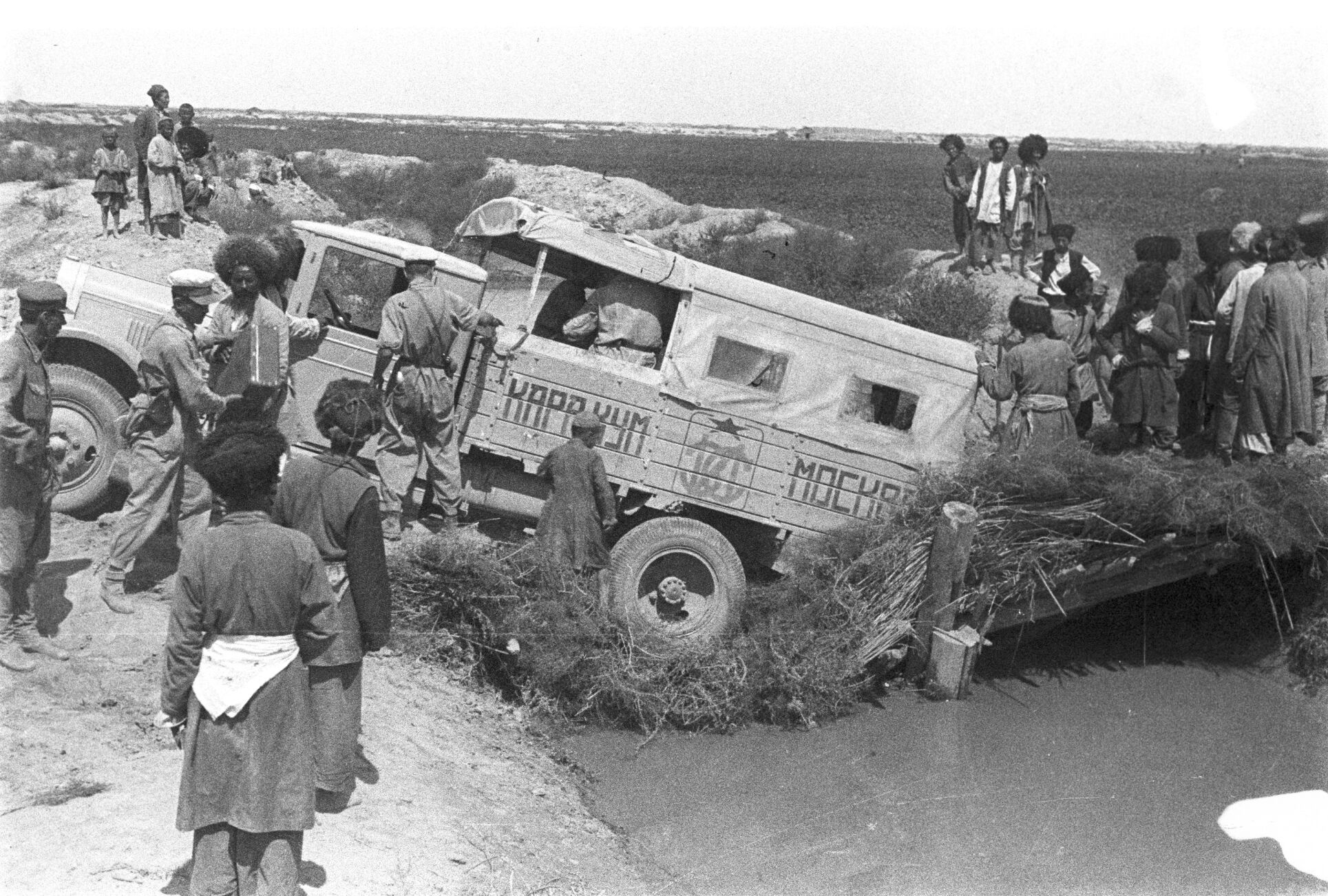
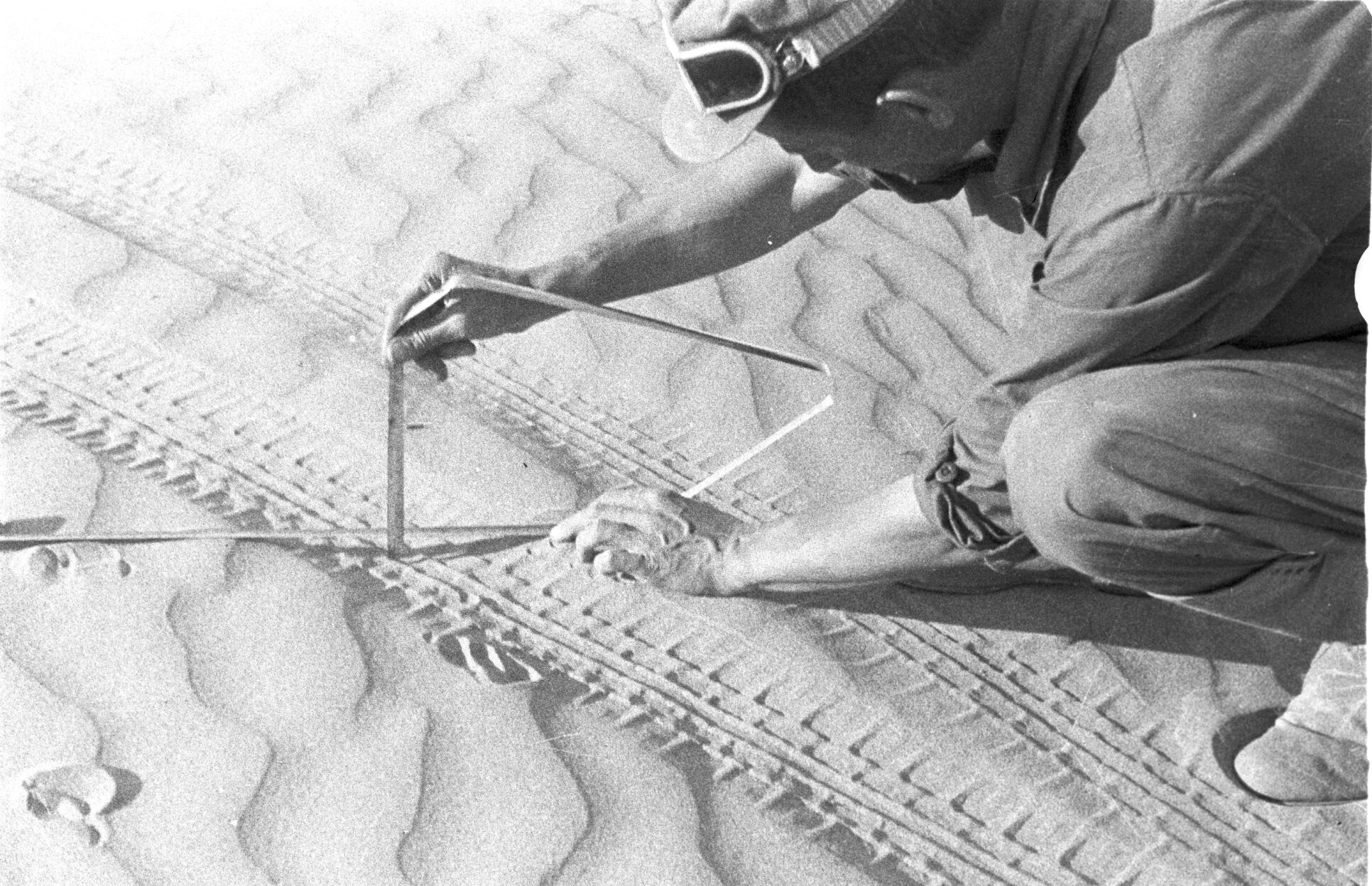
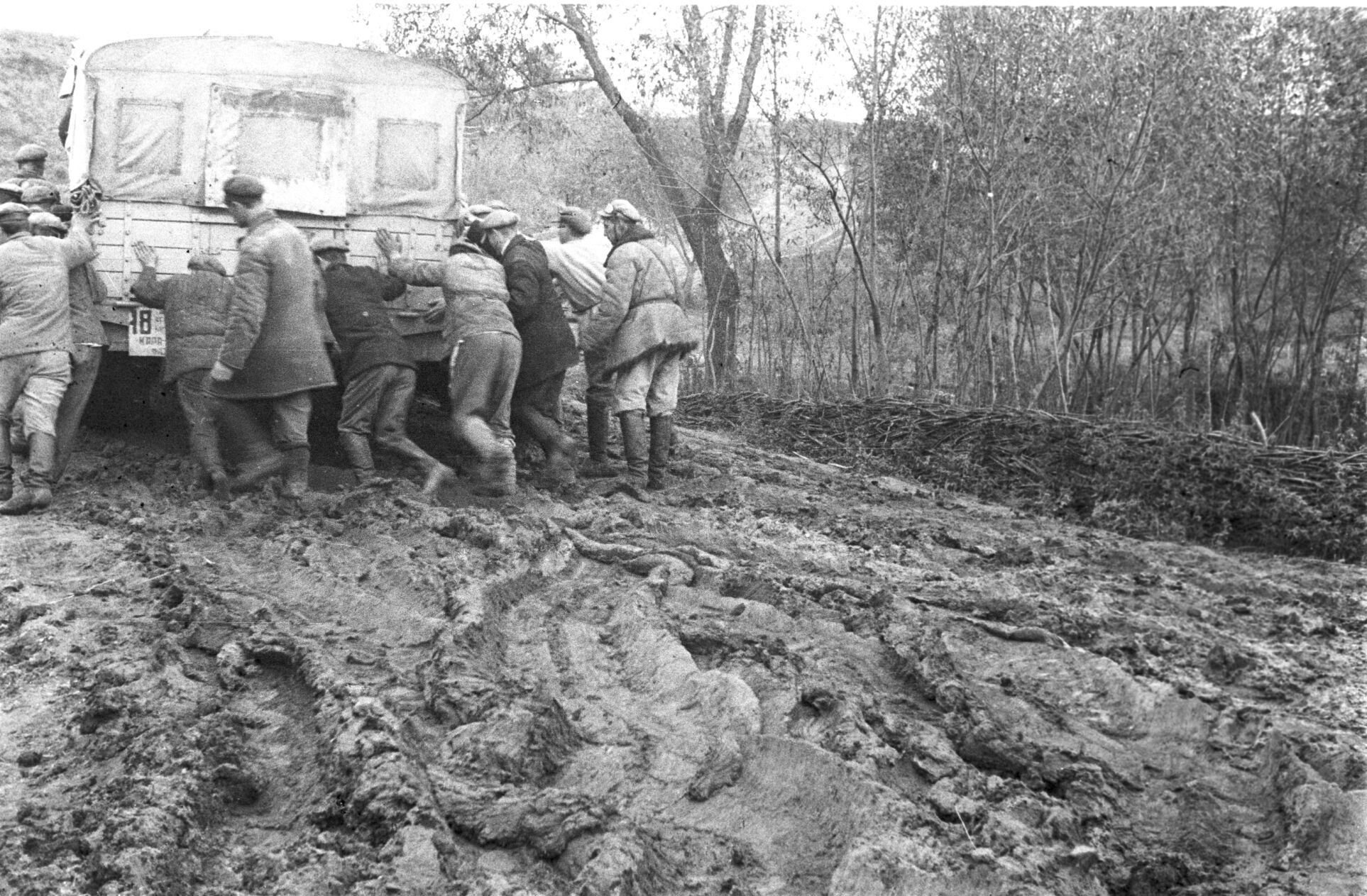
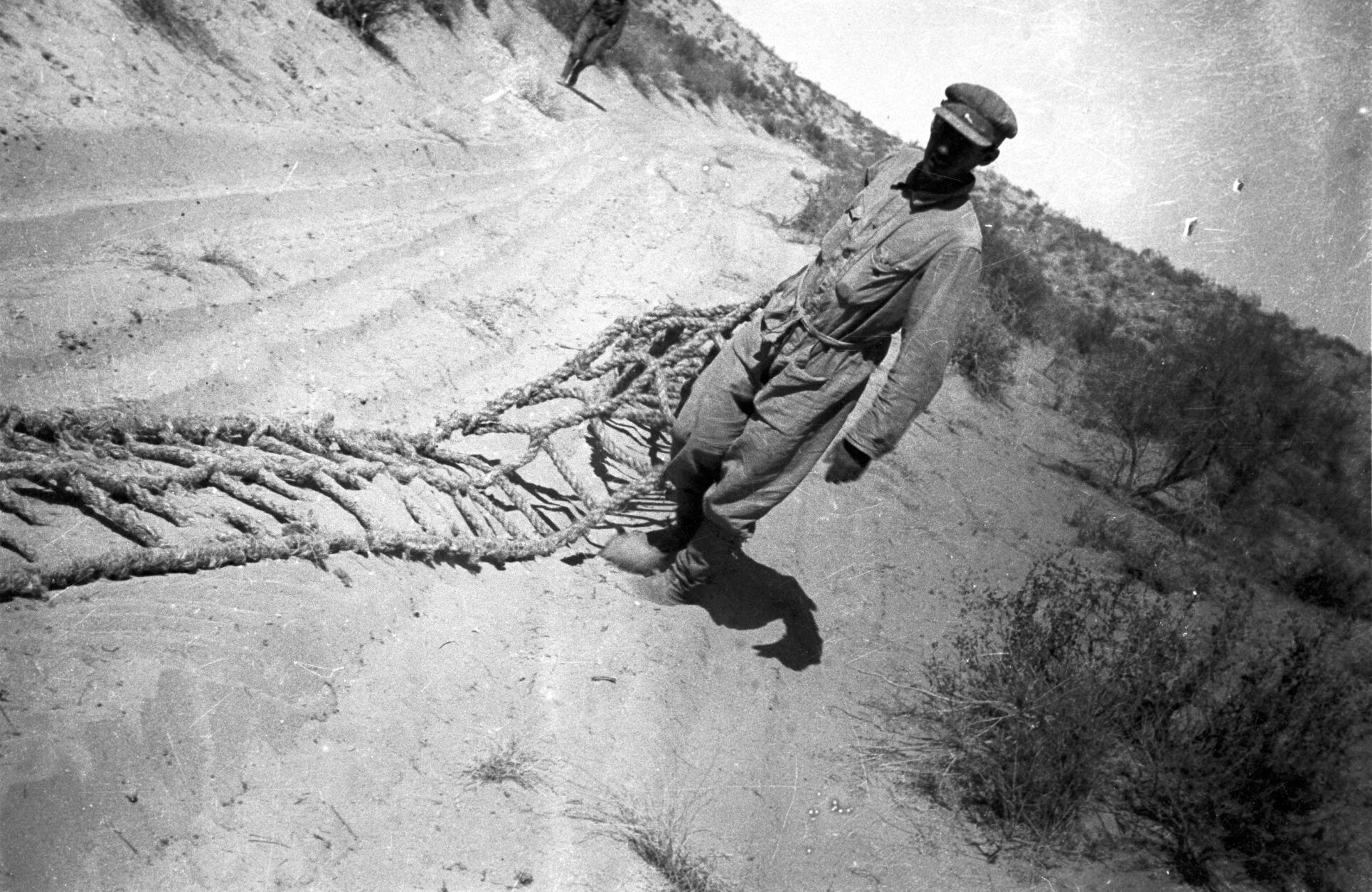
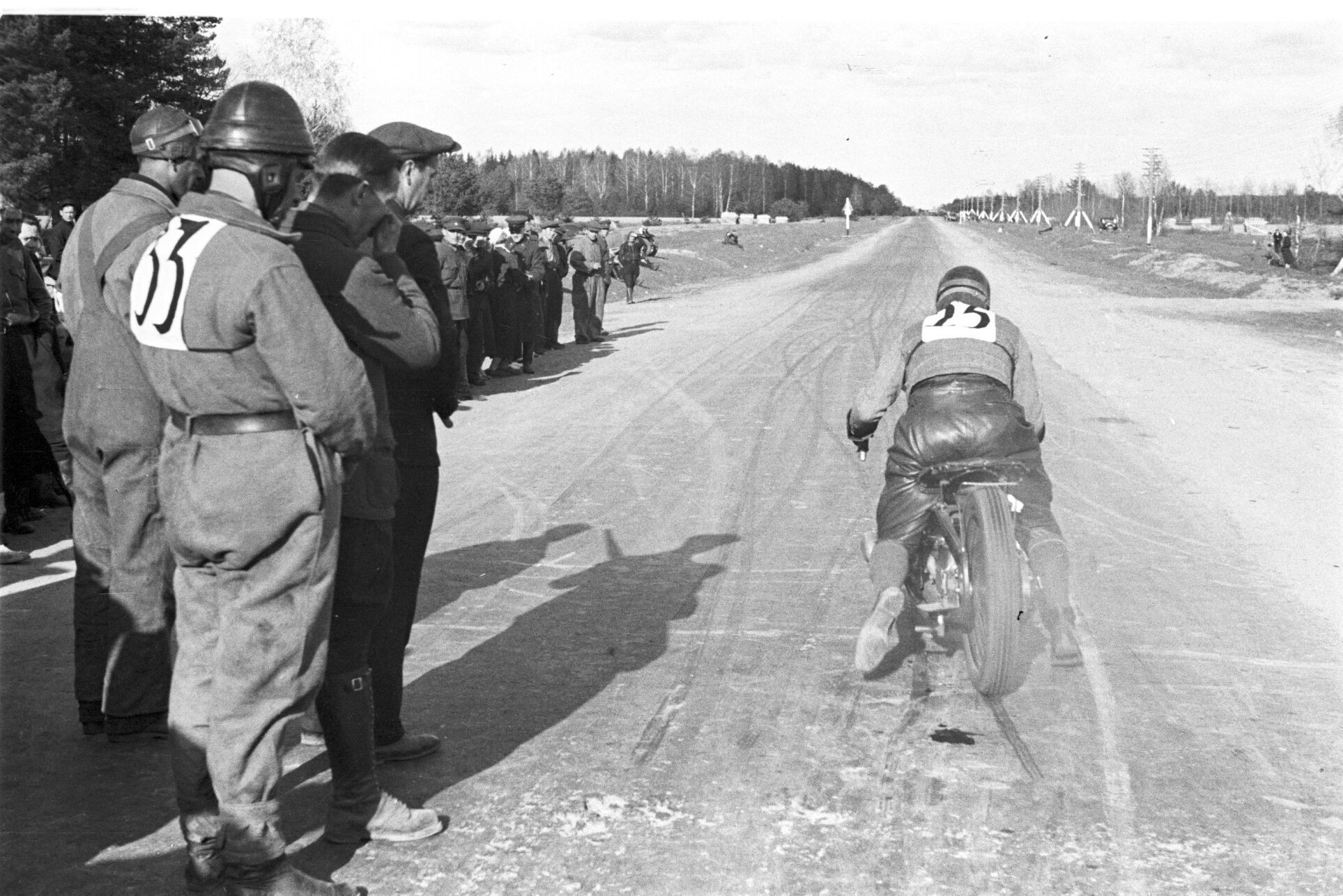
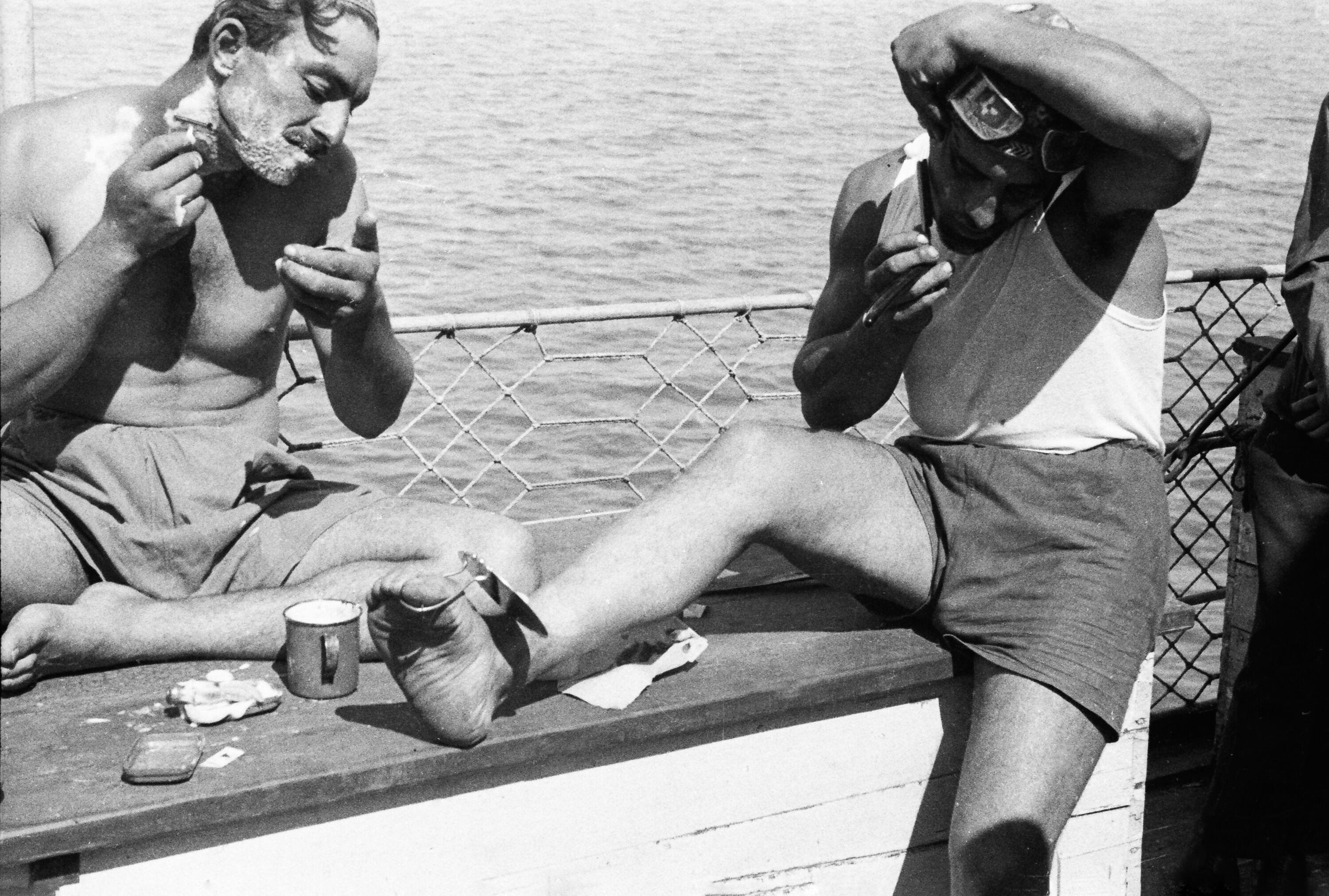
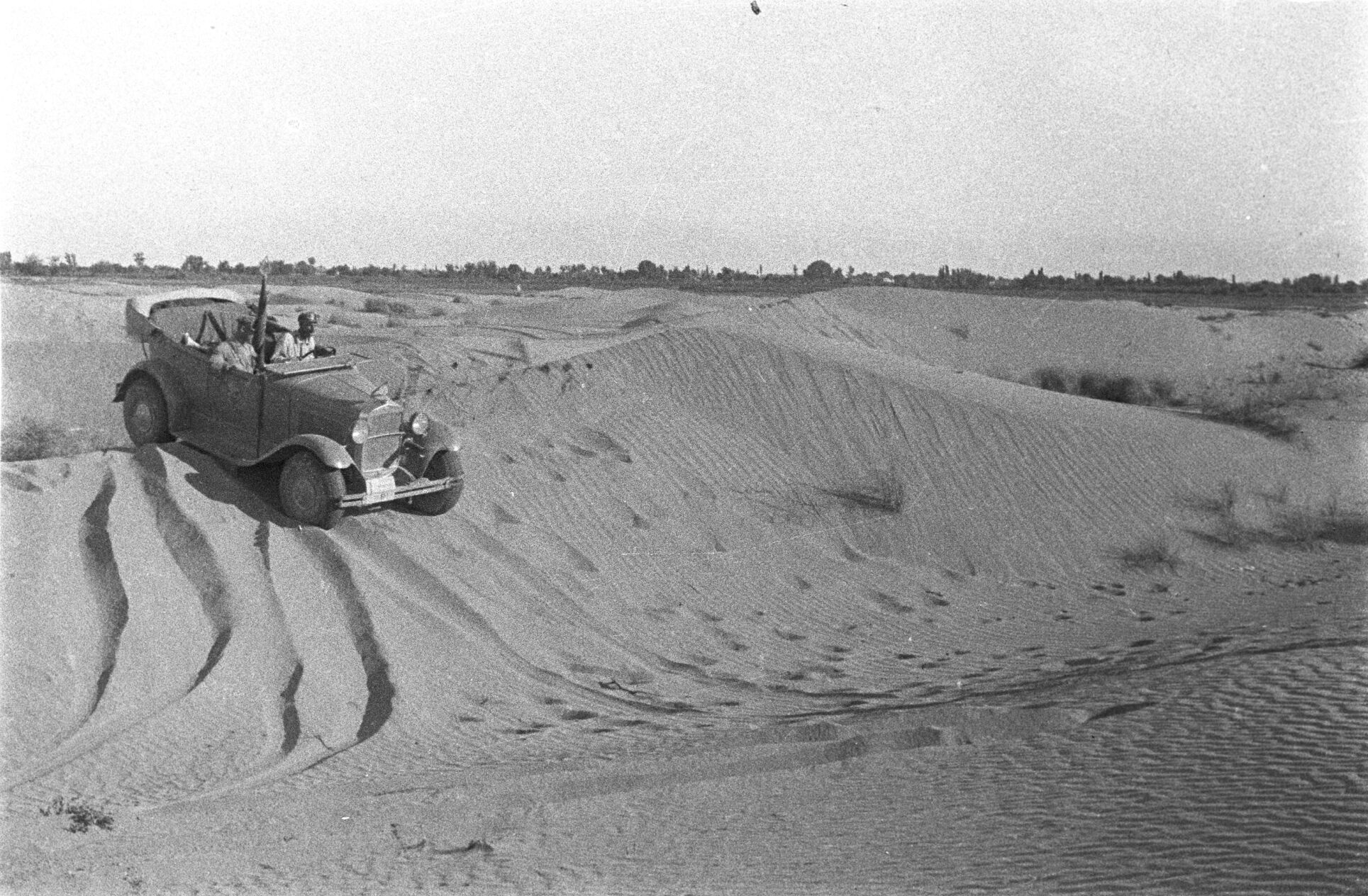
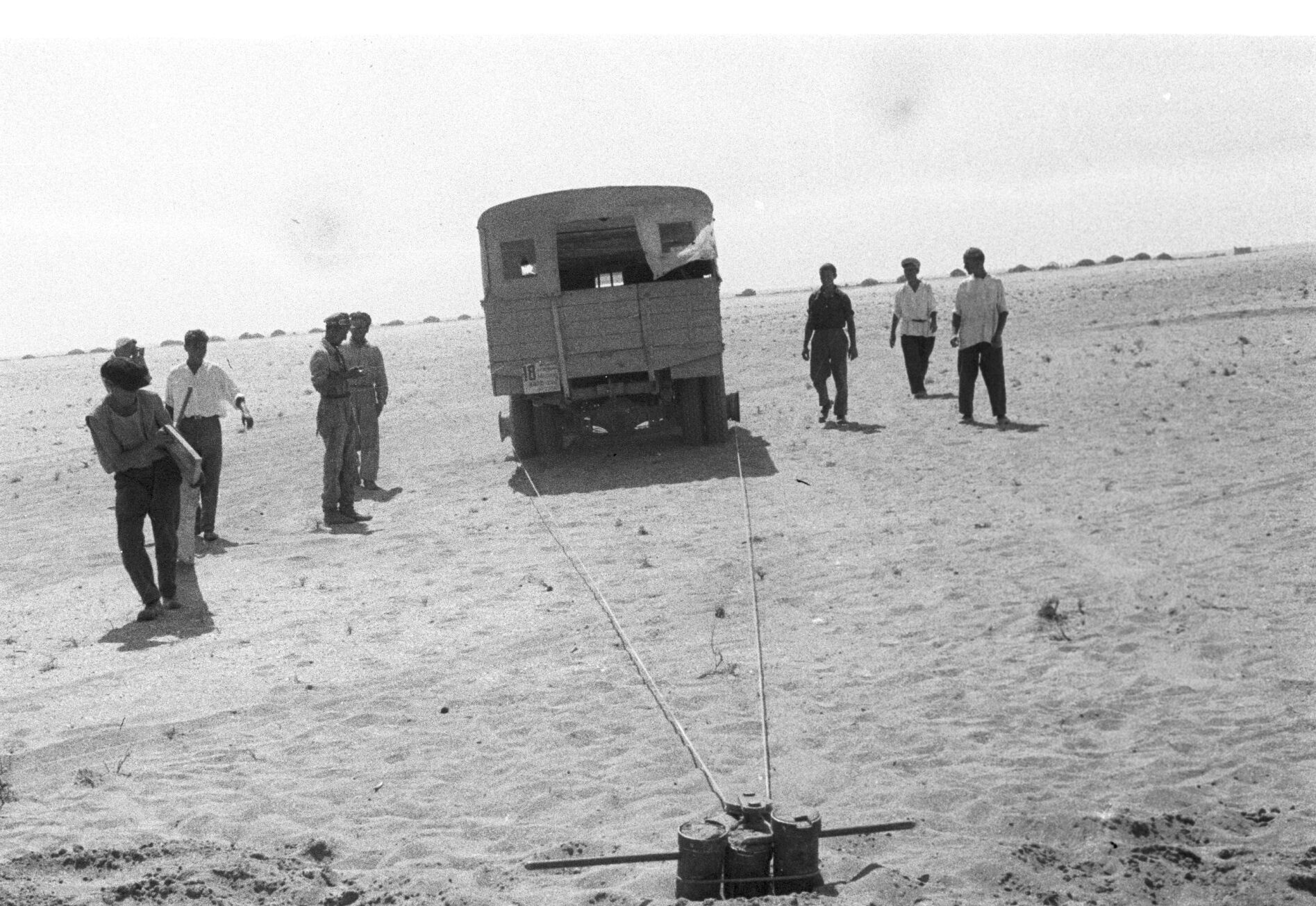
The apotheosis of Avtodor's activities were the motor rallies it organized, which became a cultural phenomenon. On the one hand, they were held to test cars; on the other, they were an instrument of automobile propaganda and political agitation. The most famous and important rally, which tested the "behavior of all units and parts" of Soviet cars, took place in 1933 and followed the route Moscow – Karakum – Moscow. The events of this longest and most dangerous run have come down to us in the newsreels of the remarkable director Roman Karmen and the photographs of the classic of Russian photography Max Prekhner, whose works from the collection of MAMM and the Mardjani Foundation are presented in the exhibition.
The car appeared in the paintings and graphics of avant-garde artists, for example, Alexander Labas, on propaganda textiles and patches, posters and book covers, caricatures, labels, packaging, etc. – all these artifacts of the era, immersing the visitor in the times of rapid motorisation, are presented in the exhibition. The exhibition displays more than 200 items from 25 state Moscow and regional museums, archives, and private collections.
Organizers and participants
The Multimedia Art Museum, State Tretyakov Gallery, Tsaritsyno State Historical, Architectural, Art and Landscape Museum-Reserve, The State Historical Museum, State Museum of Vladimir Mayakovsky, V.I. Dal State Museum of the History of Russian Literatur, The State Central Museum of Contemporary History of Russia, State Central Film Museum, The Burilin Ivanovo Museum of Local History, Museum of Moscow Museum Association, K.E. Tsiolkovsky State Museum of the History of Cosmonautics / Scientific and Memorial Museum of Professor N.E. Zhukovsky, Mosfilm Cinema Concern, Rossiya Segodnya International News Agency, Moscow Transport Museum, Polytechnic Museum, Vologda State Historical, Architectural and Art Museum-Reserve, The Kosygin State University of Russia, Russian State Library , Russian State Children's Library, N.A. Nekrasov Central Universal Scientific Library, Archive of Ninel Alexandrovna Ustinova, Archive of Alexander Rodchenko and Varvara Stepanova, Archive of Lilia Alexandrovna Ryazanova, Net-Film Newsreel and Documentary Film Archive, MIRA Collection, The Mardjani Foundation, Collection of Vadim Kunin
Photos